
📚 Technical Knowledge Base

MIM & CIM Technical Insights & Engineering Articles

Industry knowledge, DFM guidelines, material selection whitepapers, and precision powder metallurgy case studies from MIM Supplier.

🔬 Advanced Ceramics & Metallurgy

Precision Ceramic & Metal Molding Innovations

Deep dive into micro-molding tolerances, debinding-sintering processes, and high-purity ceramic solutions for global OEMs.

⚙️ Medical, Optical & Auto Guides

Design for Manufacturability Best Practices

Practical engineering insights on optimizing part geometries, reducing tooling costs, and achieving 1µm tolerances.

0%

The demand for advanced surgical tools is growing. In China, the market for MIM Laparoscopic Rigid Shaft Tubes has seen substantial growth. According to the latest market analysis, the minimally invasive surgical device segment is projected to reach $100 billion by 2026. Surgeons increasingly rely on these tools for their precision and efficiency.

MIM Laparoscopic Rigid Shaft Tubes stand out for their manufacturing process. Metal Injection Molding (MIM) offers remarkable dimensional accuracy and complexity. This process aids in producing components that withstand the rigors of surgical procedures. Yet, the quality and design vary among manufacturers. It is crucial for healthcare providers to select reliable suppliers. Some may face challenges in sourcing consistent quality products.

A thorough evaluation of the available options is essential. The right choice can significantly influence patient outcomes. Healthcare professionals must remain aware of the latest innovations and shifts in the market. This understanding will empower them to make informed decisions in their surgical practices.
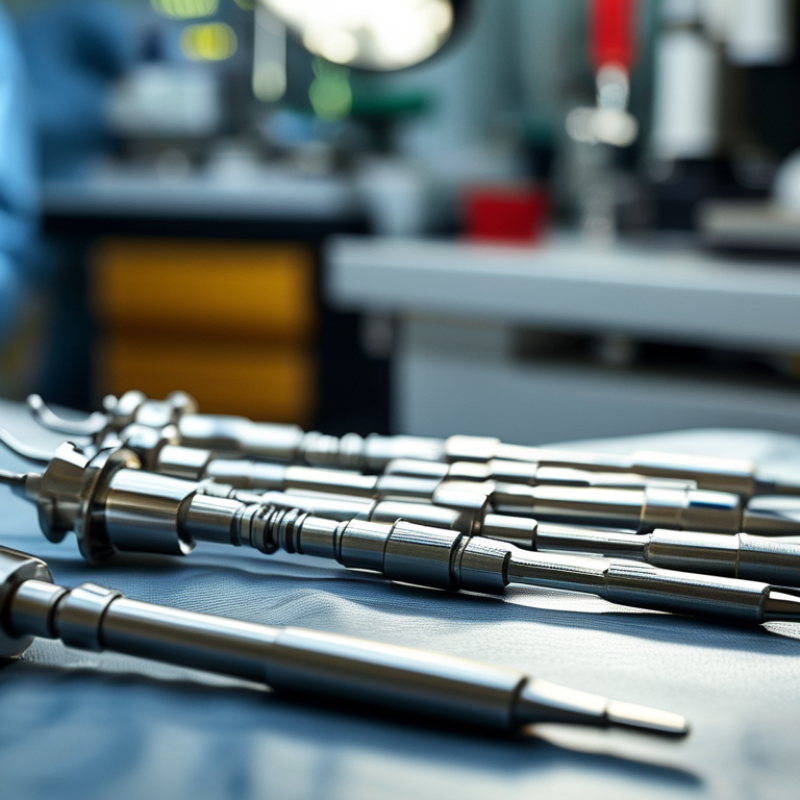
Discover the Best MIM Laparoscopic Rigid Shaft Tubes in China?

Overview of MIM Laparoscopic Rigid Shaft Tubes in China

MIM laparoscopic rigid shaft tubes are gaining traction in China's surgical market. They offer precision and durability, crucial for minimally invasive surgeries. According to industry reports, the market for laparoscopic instruments in China is projected to grow by 7% annually. This growth highlights the increasing demand for high-quality surgical tools.

Numerous hospitals are investing in advanced laparoscopic systems. However, not all manufacturers adhere to stringent quality controls. This inconsistency can affect surgical outcomes and patient safety. A 2022 report found that 15% of surgeons reported issues with low-quality instruments during procedures. Reliability in these tools is non-negotiable.

The innovation of materials used in MIM tubes is noteworthy. These tubes are often made from high-strength alloys, enhancing their performance. Yet, some devices still fall short in insulation and ergonomics. User feedback indicates a need for improvement in these areas. Ergonomic designs can reduce surgeon fatigue during lengthy operations. The push for better tools continues as the industry learns and evolves.

Key Features and Advantages of MIM Laparoscopic Tubes

MIM laparoscopic rigid shaft tubes have gained prominence in minimally invasive surgeries. These tubes offer distinct features that enhance surgical precision and patient safety. The materials used, like medical-grade stainless steel, ensure durability and sterility during procedures. A recent report indicates that the global market for laparoscopic instruments is projected to reach $15 billion by 2026, highlighting the growing reliance on such technologies.

One of the key advantages of MIM laparoscopic tubes is their ergonomic design. Surgeons report reduced fatigue due to the lightweight structure. Furthermore, the tubes provide high visibility with optimal lens integration. This can significantly affect outcomes, as accurate visualization is crucial for complex surgeries. However, some surgeons argue that the initial learning curve can be steep. Adapting to new technologies requires time and practice.

Additionally, these tubes are designed with compatibility in mind. They can seamlessly integrate with various laparoscopic systems, which enhances their usability. Still, there are challenges. Not all hospitals possess the latest equipment, potentially limiting the application of advanced tubes. Data suggest that investing in updated technologies can lead to better surgical results. Such disparities create a need for ongoing training and resources within medical institutions.

Top Manufacturers of MIM Laparoscopic Rigid Shaft Tubes in China

China has become a hub for manufacturing medical instruments, including MIM laparoscopic rigid shaft tubes. These tools are essential in minimally invasive surgeries, offering precision and reduced recovery times for patients. According to recent industry reports, the market for surgical instruments in China is expected to grow at a compound annual growth rate (CAGR) of over 10% through 2027. This growth signifies the increasing demand for innovative surgical solutions.

Top manufacturers in China focus on utilizing advanced materials and techniques. They emphasize the importance of quality control and adherence to international standards. Industry analysis indicates that product durability and reliability have a direct impact on surgical outcomes. Many manufacturers employ sophisticated manufacturing processes, including metal injection molding, to enhance the performance of their laparoscopic tools. However, despite the advancements, there are still challenges regarding material consistency and production scalability.

Furthermore, while some manufacturers excel in R&D, others can struggle with regulatory compliance. It is crucial for companies to navigate these complexities to ensure their products meet health regulations. Continuous innovation and rigorous testing are vital for maintaining market competitiveness. Many organizations are now exploring partnerships to leverage technological advancements, but the uneven quality across the sector remains a concern for healthcare providers.

Top MIM Laparoscopic Rigid Shaft Tubes Production in China

Comparative Analysis of MIM vs Traditional Laparoscopic Tubes

The use of Metal Injection Molding (MIM) in laparoscopic rigid shaft tubes brings several advantages over traditional methods. MIM technology allows for more intricate designs and better material density. This results in tubes that are not only lighter but also stronger. Additionally, MIM tubes can be produced with smoother finishes, enhancing their usability during surgical procedures. Surgeons require tools that minimize friction and allow for precise movements.

Despite these benefits, there are areas that need consideration. MIM tubes can be more costly to produce initially, which might deter some facilities. The production process can also lead to variability in quality, requiring strict quality control measures. Traditional laparoscopic tubes have a long history of use and proven reliability, making them a trusted choice. Transitioning to MIM necessitates a shift in mindset and protocol for medical staff. Each option carries its own set of challenges. Balancing cost, performance, and reliability remains vital when choosing surgical tools.

Future Trends in MIM Laparoscopic Tube Technology in China

In recent years, MIM (Metal Injection Molding) technology has revolutionized the production of laparoscopic rigid shaft tubes in China. This advanced manufacturing method allows for complex geometries and high precision. The future trends in this field suggest an increasing focus on customization and efficiency. As hospitals demand more tailored solutions, manufacturers are likely to adapt their processes accordingly.

The integration of smart technologies into MIM production processes is gaining traction. Automation and real-time monitoring can enhance quality control and reduce waste. These innovations may lead to shorter production times and lower costs. However, challenges remain. Companies must balance innovation with maintaining stringent quality standards.

Experimenting with new materials is also essential. Advanced alloys could improve durability and reduce weight. This area still requires research and testing to ascertain performance under various conditions.

When exploring MIM laparoscopic tubes, prioritize designs that offer flexibility and adaptability. The ongoing evolution in this field invites more innovators to contribute to enhancing surgical techniques. Staying informed about upcoming technologies is crucial for all stakeholders involved. Engaging with research and development will pave the way for groundbreaking advancements.

FAQS

: What are MIM laparoscopic tubes made of?

: They are made from medical-grade stainless steel, ensuring durability and sterility.

How do MIM tubes benefit surgeons during procedures?

Their ergonomic design reduces fatigue and provides high visibility for better outcomes.

What is a challenge when adopting MIM technology?

The initial learning curve can be steep, requiring time and adaptation from surgeons.

Why might some hospitals hesitate to use MIM tubes?

The tubes can be more costly to produce initially, affecting budget decisions.

How do MIM tubes compare to traditional laparoscopic tubes?

MIM tubes are lighter and stronger, but traditional tubes have proven reliability.

What future trends are expected in MIM laparoscopic tube technology?

There will be a focus on customization, efficiency, and integrating smart technologies.

Are there any concerns regarding the production of MIM tubes?

Variability in quality may occur, requiring strict quality control measures.

How can manufacturers improve MIM tube production?

Automation and real-time monitoring can enhance quality control and reduce waste.

What should be considered when choosing surgical tools?

It’s important to balance cost, performance, and reliability in the selection process.

What is essential for the future development of MIM tubes?

Ongoing research into new materials and technologies is vital for improvements.

Conclusion

MIM Laparoscopic Rigid Shaft Tubes have emerged as a significant innovation in surgical technology in China, offering advantages that enhance minimally invasive procedures. These tubes are characterized by their robust construction, which provides superior precision and maneuverability during surgery. The article outlines the key features and benefits of MIM laparoscopic tubes, highlighting their ability to improve surgical outcomes and patient recovery times.

Additionally, the piece provides a comparative analysis of MIM versus traditional laparoscopic tubes, showcasing the advancements in material and design that MIM technology brings to the table. With leading manufacturers in China at the forefront of this development, the future of MIM Laparoscopic Rigid Shaft Tubes looks promising, with ongoing trends suggesting further enhancements in efficiency and functionality, paving the way for improved surgical practices.

Ethan

Ethan

Ethan is a dedicated marketing professional with a profound expertise in our company’s offerings. With a keen understanding of market trends and consumer behavior, he plays a pivotal role in shaping our brand narrative. Ethan consistently delivers insightful and engaging content for our company......