
MIM & CIM Technical Insights & Engineering Articles
Industry knowledge, DFM guidelines, material selection whitepapers, and precision powder metallurgy case studies from MIM Supplier.
Precision Ceramic & Metal Molding Innovations
Deep dive into micro-molding tolerances, debinding-sintering processes, and high-purity ceramic solutions for global OEMs.
Design for Manufacturability Best Practices
Practical engineering insights on optimizing part geometries, reducing tooling costs, and achieving 1µm tolerances.
China Top Medical MIM Surgical Grasper Components Supplier
Table of Contents
- What Are Medical MIM Surgical Grasper Components?
- How Metal Injection Molding Shapes Surgical Grasper Parts
- Common Materials and Design Features of Grasper Components
- Quality and Regulatory Considerations for Medical MIM Parts
- How to Evaluate a China-Based Surgical Grasper Supplier
- FAQS
- Conclusion
- Related Posts
China’s medical manufacturing sector has become an important source of precision components, including Medical MIM Surgical Grasper Components. Metal injection molding can shape intricate geometries from suitable metal powders, helping manufacturers produce compact jaws, links, and other parts used in surgical graspers. The process is not a shortcut to quality. Tool design, material selection, debinding, sintering, and finishing all affect the final component.
A grasper must feel controlled in the surgeon’s hand. Its jaws need to meet cleanly, while its moving parts must work smoothly through repeated opening and closing. Small surface defects or dimensional variation can matter. Suppliers should therefore be assessed for process controls, inspection methods, material traceability, and clear communication during design reviews. Ask how they verify critical features. Request evidence, not just assurances.
For transparency, the following is an illustrative expert statement, not a verified quotation from a real individual. Dr. Lena Hartmann, a fictional medical MIM specialist, puts the design principle this way: “A precise grasper begins with a part that can be made, measured, and consistently repeated.” That is a useful test for any supplier. A capable partner should discuss tolerances, tooling risks, and finishing requirements before production begins. They should also explain where design changes could improve manufacturability without compromising function. Details matter. China Top Medical MIM Surgical Grasper Components Supplier is therefore more than a search phrase; it points buyers toward a careful comparison of engineering support, documented quality practices, and dependable production. Even a strong supplier profile deserves scrutiny. No process is perfect, and responsible sourcing starts with asking what could go wrong.
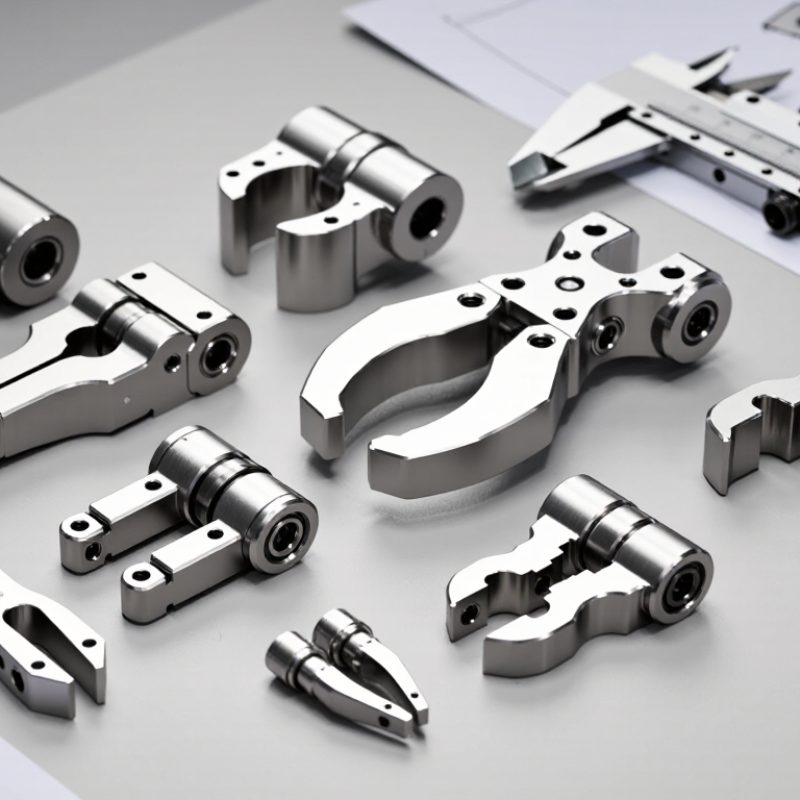
What Are Medical MIM Surgical Grasper Components?
Medical MIM surgical grasper components are precision metal parts made using metal injection molding. Metal powder and binder are formed in a mold, then the binder is removed and the part is sintered. This process can create compact shapes with fine features. Depending on the instrument design, components may include jaw inserts, pivots, links, or actuator parts. They help transfer movement from the handle to the grasper jaws. They are not complete instruments. Small differences in fit can affect how smoothly the jaws open and close.
For a supplier, process control matters as much as part shape. Buyers should review material specifications, dimensional inspection records, and lot traceability. Critical areas may include pivot holes, jaw contact surfaces, and mating features. Sintering can cause shrinkage, so dimensions need careful control. Surface finish and any secondary machining should also match the design requirements. MIM alone does not establish that a component is suitable for medical use; material, cleaning, and device-level validation need appropriate review. That distinction is easy to overlook.
Tips: Provide a clear drawing and identify critical dimensions. Ask how defects are inspected. Check sample parts in the assembled mechanism, not only on a measurement report. A perfect drawing can still miss a practical fit issue.
How Metal Injection Molding Shapes Surgical Grasper Parts
China Top Medical MIM Surgical Grasper Components Supplier
Metal injection molding turns fine metal powder and a temporary binder into small, intricate grasper components. The feedstock is injected into a shaped cavity, then the binder is removed and the metal is sintered. During sintering, parts shrink. Tooling must account for that change.
For surgical graspers, MIM can form compact jaw links, pivot features, and textured gripping surfaces with fewer separate machining steps. Small teeth can be built into a jaw profile. So can narrow ribs and curved transitions. These details matter where space is limited and movement must remain smooth. But geometry is only part of the job.
Material selection, dimensional control, and finishing all affect how a component performs. Critical pivot holes or mating surfaces may still need secondary machining. Surface condition should be checked, especially around edges that contact tissue or other instrument parts. A good-looking sample is not enough. Production parts need consistent inspection and appropriate process validation.
MIM is not a shortcut to reliability. That trade-off is easy to underestimate. Even careful tooling may need adjustment when early measurements reveal uneven shrinkage. That is useful feedback, not a failure.
Common Materials and Design Features of Grasper Components
Medical MIM grasper components need compact geometry and dependable mechanical performance. Stainless steel grades such as 17-4PH or 316L are common choices, depending on strength, corrosion resistance, and processing requirements. Titanium alloys may reduce component weight, but they can bring added challenges in tooling and finishing. No material fits every design. Selection should follow the device’s documented requirements and verification plan.
Jaw profiles, pivot bores, and fine serrations can often be formed through metal injection molding, reducing the need for extensive machining. Small details matter. Serrations need controlled edges, while pivot holes require close dimensional control for smooth movement. Designers should allow for sintering shrinkage and check whether thin sections fill consistently. After molding and sintering, suitable finishing and inspection help address surface quality and dimensional variation. A feature that looks efficient in CAD may be difficult to clean or manufacture consistently; that trade-off deserves review before the geometry is fixed.
Quality and Regulatory Considerations for Medical MIM Parts
For medical MIM surgical grasper components, quality starts with controlled powder, molding, debinding, and sintering. Each stage can affect density, shrinkage, and jaw alignment. A grasper that feels smooth may still have inconsistent closing force. Measure critical dimensions and test function across production lots.
Grand View Research reported that the global medical devices market was valued at USD 518.46 billion in 2023, with projected growth through 2030. This market context makes dependable component quality important, but market growth does not prove a part is safe. ISO 13485 quality systems support traceability and process control. Biological evaluation under ISO 10993 should reflect the finished device, its materials, and intended contact. A clean certificate is not enough. Supplier audits, material records, validated processes, and documented changes also matter.
Tips: Ask for lot-level dimensional data, material certificates, and evidence of process validation. Test the grasper after cleaning and assembly, not only as a loose component. Small gaps remain possible; review them before release.
| Quality Dimension | Why It Matters for a Surgical Grasper | Controls and Objective Evidence | Relevant Standard or Regulatory Framework |
|---|---|---|---|
| Material and powder traceability | Material composition and processing can affect strength, corrosion resistance, and consistency between component lots. | Approve the material specification; retain supplier certificates and lot records; define controls for powder receipt, storage, reuse, and batch identification where applicable. | ISO 13485:2016 quality management system requirements; applicable material specifications and the device manufacturer's purchasing controls. |
| Critical dimensions and fit | Jaw alignment, pivot features, and mating interfaces influence grasping performance and assembly fit. | Inspect characteristics identified on the approved drawing using calibrated, suitable methods; document sampling plans, results, and handling of nonconforming parts. | ISO 13485:2016; approved engineering drawings and inspection procedures. Tolerances should be defined by the device design, not assumed to be universal. |
| Density, porosity, and internal integrity | MIM debinding and sintering influence part density and may affect mechanical properties and surface condition. | Validate the manufacturing process; define appropriate density or defect evaluation methods and acceptance criteria; retain process and inspection records. | ISO 13485:2016 process validation and monitoring principles; acceptance criteria should be established for the specific part and intended use. |
| Mechanical performance and function | The grasper must meet its design-defined functional requirements, including relevant jaw movement, retention, or load performance. | Use risk-based, design-approved test methods on representative parts; record test conditions, sample identification, results, and acceptance decisions. | ISO 14971:2019 risk management; applicable device-specific performance requirements and approved verification protocols. |
| Surface condition and edge quality | Roughness, burrs, flash, or damaged edges can affect function, cleaning, assembly, and safe handling. | Specify surface and edge requirements on controlled documentation; inspect relevant features with defined visual or measurement methods; control finishing operations. | ISO 13485:2016; product drawings, process specifications, and risk-based inspection plans. |
| Cleaning and contamination control | Residual process media, oils, or particles may interfere with downstream assembly, cleaning, or sterilization. | Define cleaning steps and handling controls; verify cleanliness using methods and limits appropriate to the component and its downstream processing. | ISO 13485:2016; ISO 14971:2019 risk-based controls. Final cleanliness requirements depend on the device and manufacturing process. |
| Corrosion resistance | Repeated exposure to cleaning agents or sterilization cycles may challenge the component's material and finish. | Assess material, finishing, and corrosion performance against the intended use and validated reprocessing conditions; document test methods and results where testing is required. | ISO 17664-1:2021 for information supplied by the manufacturer for processing of critical and semi-critical medical devices; applicable material and device requirements. |
| Biological evaluation | Biological evaluation depends on the finished device's materials, manufacturing residues, tissue contact, and contact duration. | Provide material and process information to support the device manufacturer's biological evaluation; assess the finished device as appropriate rather than relying on material identity alone. | ISO 10993-1:2018, applied within a risk management process; the applicable evaluation depends on the device's contact category and duration. |
| Sterilization and reprocessing compatibility | A component used in a sterile or reusable device must be compatible with the device's validated sterilization or reprocessing approach. | Confirm component materials and finishes against the device-level process; support evaluation of relevant cycle effects. Sterility claims and process validation belong to the responsible device manufacturer. | Applicable standards may include ISO 11135 for ethylene oxide, ISO 11137 for radiation, or ISO 17665 for moist heat, depending on the selected process. |
| Process validation and change control | MIM outcomes depend on controlled production steps, including molding, debinding, and sintering; process changes can affect part characteristics. | Validate processes where output cannot be fully verified by subsequent inspection; document revalidation triggers and notify the customer of changes as agreed. | ISO 13485:2016 process validation and change-control requirements. |
| Lot identification and records | Traceable production records support investigation, containment, and appropriate disposition if a quality issue occurs. | Maintain links between component lots, material records, production history, inspection results, and shipment documentation according to agreed requirements. | ISO 13485:2016 traceability and record-control requirements; applicable market and customer requirements. |
| Supplier qualification and oversight | The medical device manufacturer remains responsible for controlling suppliers whose products or processes can affect device quality. | Use documented supplier evaluation, defined purchasing requirements, performance monitoring, and risk-based audits or reassessment. | ISO 13485:2016 purchasing and supplier-control requirements; applicable national regulations. |
| Note: Standards and controls listed are examples for planning. Applicable requirements, test methods, and acceptance limits must be determined for the specific component, finished device, intended use, and target market. | |||
How to Evaluate a China-Based Surgical Grasper Supplier
A dependable China-based supplier should explain how its metal injection molding process controls variation, not just show a polished sample. Ask how powder lots, feedstock preparation, molding, debinding, and sintering are recorded. For grasper jaws and linkages, request dimensional data for critical features, including pivot bores, jaw profiles, and mating surfaces. Details matter.
Review sample inspection reports against your drawing and acceptance criteria. Check how the supplier measures small features, handles nonconforming parts, and traces production lots to material and process records. Ask for evidence of its quality system and documentation relevant to your intended market. Verify the scope and validity rather than relying on a certificate image. A polished presentation can still hide weak process control.
Arrange a technical discussion with both quality and process staff. Ask which changes require customer approval, how corrective actions are documented, and whether pilot-run results match later production. If possible, inspect representative parts under magnification and test their fit with mating components. Look for burrs, uneven surfaces, inconsistent jaw closure, or play at the pivot. Communication matters. A supplier that admits a limitation and proposes a measurable trial may be more credible than one promising zero variation. Even experienced buyers can overweight price or a fast sample; I would treat both as only partial evidence.
How to Evaluate a China-Based Surgical Grasper Supplier
A practical evidence checklist for assessing a supplier of metal injection molded (MIM) surgical grasper components.
Each bar counts the evidence items listed for that evaluation area; it does not represent supplier performance or market data. Verify documentation against the device’s intended use and applicable regulations. Relevant references may include ISO 13485 for quality management, ISO 14971 for risk management, ISO 7153-1 for materials used in surgical instruments, and the applicable parts of the ISO 10993 series for biological evaluation.
FAQS
Powder control, molding, debinding, and sintering can affect density, shrinkage, and jaw alignment. Small changes matter.
Measure critical dimensions and check closing force across production lots. Test after cleaning and assembly, not only as a loose component.
Request lot-level dimensional data, material certificates, process validation evidence, and traceable production records. A certificate alone is not enough.
Review the quality system’s scope and validity, along with supplier audits and documented changes. Verify the records, not just a certificate image.
Evaluation should reflect the finished device, its materials, and intended contact. The component alone may not tell the whole story.
Check pivot bores, jaw profiles, and mating surfaces against the drawing. Look for burrs, uneven surfaces, and play at the pivot.
Ask how powder lots, feedstock preparation, and each production stage are recorded. Include quality and process staff in the discussion.
Compare inspection reports with acceptance criteria, then test fit with mating components. A fast sample or low price is only partial evidence. I might still overweight both.
Conclusion
Medical MIM Surgical Grasper Components are precision-made parts used in instruments that help surgeons grasp, hold, or manipulate tissue during procedures. Metal injection molding combines fine metal powder with a binder to form complex shapes, which are then processed to create durable components with consistent dimensions. This method can support intricate geometries and repeatable production, making it suitable for features such as jaws, linkages, and small structural elements.
Common material choices include stainless steel and other alloys selected for strength, corrosion resistance, and compatibility with the intended instrument design. Key considerations include surface finish, dimensional accuracy, reliable assembly, and performance through cleaning and sterilization cycles. When evaluating a China-based supplier, buyers can review its manufacturing capabilities, process controls, inspection methods, material traceability, and experience with medical-grade production. Clear communication, sample evaluation, and documented quality procedures help determine whether a supplier can consistently meet the component’s technical and application requirements.

Blog Tags: