
📚 Technical Knowledge Base

MIM & CIM Technical Insights & Engineering Articles

Industry knowledge, DFM guidelines, material selection whitepapers, and precision powder metallurgy case studies from MIM Supplier.

🔬 Advanced Ceramics & Metallurgy

Precision Ceramic & Metal Molding Innovations

Deep dive into micro-molding tolerances, debinding-sintering processes, and high-purity ceramic solutions for global OEMs.

⚙️ Medical, Optical & Auto Guides

Design for Manufacturability Best Practices

Practical engineering insights on optimizing part geometries, reducing tooling costs, and achieving 1µm tolerances.

0%

Satellite communication hardware depends on small components that must perform reliably through launch vibration, thermal cycling, and years of service. Metal injection molding (MIM) can produce intricate shapes in stainless steel and other suitable alloys, often with less machining than conventional routes. Yet a complex shape is not automatically a dependable part. Details matter.

A fair paraphrase of powder-metallurgy authority Randall M. German’s published work is: “Small components demand disciplined control at every stage.” That principle is useful when evaluating MIM Satellite Communication Parts manufacturers. Buyers should examine material selection, feedstock consistency, debinding and sintering controls, dimensional inspection, and lot traceability. For example, a waveguide interface or compact antenna bracket may look simple in a drawing, but small deviations can affect fit and assembly. Fit comes first.

This guide introduces manufacturers serving satellite communication applications and the capabilities worth checking before a supplier is shortlisted. Look for evidence of repeatable production, clear quality records, and experience with relevant geometries and alloys. Ask how critical dimensions are measured, how defects are handled, and whether prototypes follow the same controls as production parts. A polished sample alone proves little. Supplier claims still need verification, and public information may not reveal every process limitation. That is an imperfect starting point, but a useful one. Comparing manufacturing expertise alongside communication and quality practices can help engineers identify partners suited to demanding hardware programs.
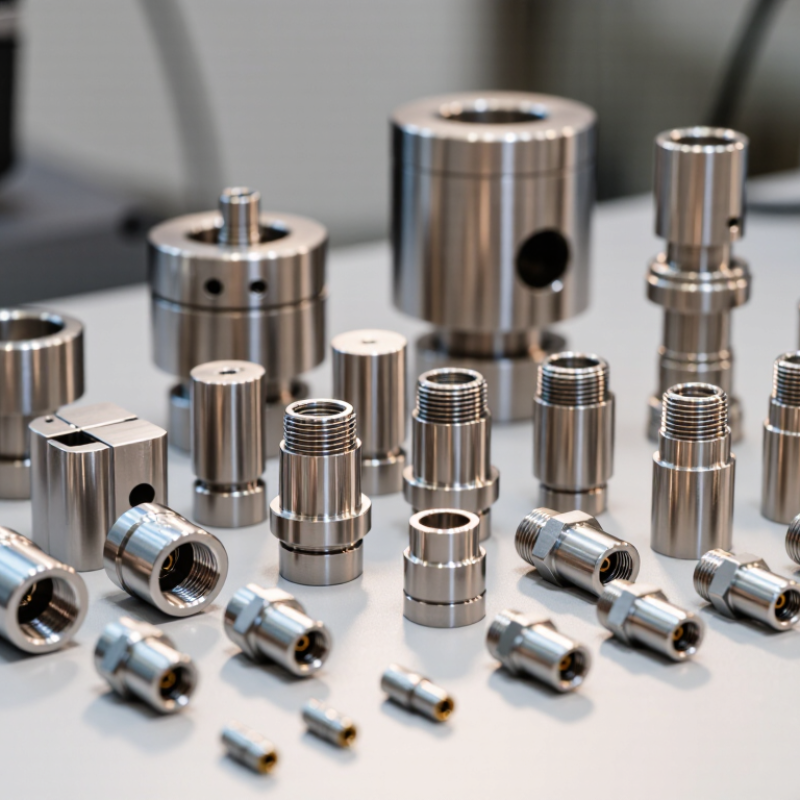
Top MIM Satellite Communication Parts Manufacturers

Understanding MIM Technology in Satellite Communications

Metal injection molding (MIM) combines fine metal powder with a binder, then shapes, debinds, and sinters the part. The result can be a compact component with intricate features, such as a connector shell, miniature bracket, or latch. This matters in satellite communications, where dense assemblies leave little room for machining access. MIM can also support repeatable production once tooling and process settings are stable.

Demand is growing, but volume alone does not prove MIM is the right choice. The Satellite Industry Association’s 2024 State of the Satellite Industry Report recorded 2,781 satellites launched in 2023, indicating substantial pressure for scalable manufacturing. Yet spacecraft parts face demanding qualification, and MIM shrinkage during sintering requires careful dimensional control. Engineers must verify density, strength, thermal behavior, and surface finish for each application. Not every part belongs in a MIM process. For example, an RF-current-carrying component may need a more conductive material or validated plating. A small flaw can matter. It is tempting to treat lower unit cost as the main advantage; that can overlook tooling expense, inspection needs, and design changes. Flight qualification still decides.

Top MIM Satellite Communication Parts Manufacturers — Understanding MIM Technology

About the chart: The bars show conventional engineering frequency ranges for commonly used satellite communication bands. Actual allocations vary by service and region. These ranges describe communication systems—not the operating limits of Metal Injection Molding (MIM). MIM can produce compact, intricate metal components such as housings and brackets used in satellite communication hardware.

Key Satellite Components Produced Through MIM

Key satellite components produced through metal injection molding (MIM) are often small, detailed parts that must fit tightly into larger assemblies. Examples include waveguide clamps, antenna-feed supports, connector shells, and compact brackets for radio-frequency modules. MIM combines fine metal powder with a binder, then forms and sinters the part. This process can produce intricate shapes with less machining, especially when many identical components are needed. Small features matter. A support that sits slightly out of position can affect assembly alignment.

Material choice depends on the operating environment and the part’s job. Stainless steel can offer strength and corrosion resistance, while other alloys may suit specific weight or thermal needs. Engineers should review tolerances, porosity, surface finish, and inspection plans before production. Not every RF component is a good MIM candidate; surfaces carrying signals may need additional machining. That trade-off is easy to miss. Prototype testing can reveal fit or finishing issues before production volumes increase.

Tips: Share drawings, expected loads, temperature ranges, and critical dimensions early. Ask how the supplier checks density and dimensional consistency. Keep one sample for fit testing. Small details can change the result.

How to Evaluate MIM Parts Manufacturers

Top MIM Satellite Communication Parts Manufacturers: How to Evaluate MIM Parts Manufacturers

Satellite hardware needs compact, repeatable components that tolerate vibration, temperature changes, and tight assembly clearances. The Satellite Industry Association’s 2024 report put 2023 global satellite-industry revenue at US$285.8 billion, reflecting the scale of the systems these parts support. That figure does not guarantee demand for any specific MIM component. It does underline why supplier qualification matters. Small details matter.

Evaluate process control, not just a polished sample. Ask how the manufacturer controls powder specifications, feedstock batches, debinding, and sintering. Request dimensional capability data for critical features, plus density, porosity, and material test results. For waveguide or RF-related hardware, confirm that the proposed alloy and finishing process meet the component’s electrical, thermal, and corrosion requirements.

Ask for evidence. A supplier should explain inspection methods, calibration intervals, nonconformance handling, and lot traceability in plain terms. The Metal Powder Industries Federation’s MIM design guidance emphasizes designing around the process, including shrinkage and section thickness. Compare suppliers using the same drawing and acceptance criteria, then inspect a pilot batch—not only a hand-selected sample.

Grand View Research estimated the global metal injection molding market at about US$4.4 billion in 2023; market growth alone says little about a factory’s capability.

One caution: a neat capability presentation can conceal unstable production. Check actual batch records, request repeat runs, and discuss what happens when dimensions drift.

Leading MIM Satellite Communication Parts Manufacturers

Leading MIM satellite communication parts manufacturers combine powder metallurgy expertise with a practical understanding of precision assemblies. Metal injection molding can produce compact brackets, connector bodies, and intricate support components with less machining. The process blends fine metal powder with a binder, forms the part, then removes the binder and sinters it. Small details matter. Sintering shrinkage must be measured and controlled, not assumed.

For satellite communication hardware, suppliers should discuss material grades, dimensional tolerances, and inspection methods before production. Ask how they verify critical features, such as a mounting face or connector bore. Where RF performance depends on surface finish or conductivity, secondary machining or coating may be needed. A drawing alone may not reveal every functional requirement. That is worth revisiting.

Experienced manufacturers support prototypes, process validation, and repeatable production with clear records. Useful evidence can include material certifications, dimensional reports, and documented inspection plans. They should also explain where MIM is a poor fit; long, thin geometries or demanding surface requirements may need another process. No process is perfect. Even a capable supplier may need design feedback, and early samples can expose assumptions nobody noticed on paper.

Industry Trends and Manufacturer Selection Factors

Satellite communication hardware is becoming smaller, lighter, and more tightly integrated. That shift increases demand for compact metal parts with complex shapes, including housings, brackets, and connector components. Metal injection molding (MIM) can combine several geometric features in one part, but it is not automatically the best choice for every design. Thin walls, tight tolerances, and material behavior during sintering need early engineering review.

Manufacturer selection should start with the part’s actual operating conditions. Ask how the supplier controls powder and feedstock consistency, shrinkage, density, and dimensional variation. For a component near a sensitive RF path, confirm that its material and surface finish suit the design; mechanical strength alone is not enough. Request inspection data from representative production parts, not only a polished sample. Traceability matters. So does repeatability across batches.

A capable supplier should explain its tooling approach, measurement methods, and limits without hiding behind broad capability claims. Check whether it can support prototypes, design revisions, and stable production volumes. Clear communication helps when test results differ from expectations. A spreadsheet can miss that. I would also compare total part cost, including secondary machining and inspection, rather than judging a quote by unit price alone. The choice may still involve trade-offs, and early assumptions deserve a second look.

Top MIM Satellite Communication Parts Manufacturers - Industry Trends and Manufacturer Selection Factors

Selection guide: compare manufacturers against the part’s function, operating environment, qualification needs, and production requirements. MIM (metal injection molding) is generally best suited to relatively small, complex metal components made in repeatable production volumes; suitability for any specific satellite application must be validated.

Evaluation dimension Industry context or trend What to assess in a manufacturer Useful evidence or selection checks
Application fit Satellite communication equipment increasingly combines compact assemblies with demanding mechanical and environmental requirements. Confirm that the component’s size, geometry, load, and function suit MIM. Consider MIM for suitable small, complex parts; assess other processes for large or simple parts. Request a design-for-MIM review, prototype plan, and documented comparison with machining, casting, or fabrication where relevant.
Part and material portfolio MIM commonly processes stainless steels and other engineering alloys; the practical material range depends on the supplier’s feedstock and sintering controls. Check material availability, composition control, strength, corrosion resistance, thermal properties, and compatibility with the intended environment. Review material specifications, certificates, test results, and the supplier’s experience with the proposed alloy and part geometry.
RF and electrical requirements Higher-frequency communication designs can place tight demands on conductivity, surface condition, geometry, and dimensional consistency. Establish whether the part carries RF current or is structurally adjacent to an RF path. Do not assume an as-sintered MIM surface or conductivity meets the design requirement. Define electrical and surface-finish requirements; evaluate required machining, plating, coating, or other finishing and test the finished component in its intended assembly.
Dimensional capability MIM parts undergo shrinkage during sintering, so tooling design and process consistency are central to dimensional control. Assess capability against the drawing’s critical dimensions, datum scheme, geometric tolerances, and assembly interfaces. Ask for a measurement plan, capability data from representative parts, inspection method details, and clear limits for any secondary machining.
Space environment and qualification Space hardware may require verification for vibration, thermal cycling, vacuum exposure, and contamination controls, depending on the mission and component location. Determine the applicable customer and mission requirements; qualification is application-specific and should not be inferred from general aerospace experience. Review a requirements-to-test matrix, environmental test reports, material/process records, and change-control procedures.
Process control and traceability MIM production involves feedstock preparation, molding, debinding, and sintering; variation at each stage can affect final-part properties. Evaluate control of feedstock lots, tooling, furnace cycles, inspection, nonconforming material, and production changes. Request process-flow documentation, lot-level traceability, control plans, audit access, and corrective-action records appropriate to the program.
Production volume and economics MIM tooling has an upfront cost; per-part economics are generally more favorable when production quantities justify tooling and process setup. Compare expected lifetime demand, annual volume, ramp schedule, tooling ownership, lead time, and the cost of inspection and secondary operations. Request a transparent quotation with tooling, piece price, minimum order quantities, capacity assumptions, and prototype-to-production timing separated.
Finishing and assembly readiness Small precision components may need machining, surface treatment, or controlled assembly to meet final interface requirements. Check whether finishing is managed in-house or through qualified sources, and how it affects dimensions, material properties, and cleanliness. Review finished-part samples, process specifications, inspection records, and responsibility for supplier coordination.
Supply continuity Long program lifecycles and specialized materials make continuity planning important for satellite hardware procurement. Assess raw-material sourcing, tooling maintenance, capacity resilience, sub-tier oversight, and the process for notifying customers of changes. Ask for a continuity plan, approved-source controls, change-notification commitments, and realistic capacity and lead-time data.

Note: This is a manufacturer-selection framework, not a ranked supplier list. Final selection should be based on verified capability and qualification against the part drawing and program requirements.

FAQS

Which satellite communication parts can MIM produce?

It can form small brackets, connector shells, waveguide clamps, and antenna-feed supports. Fit matters.

How does the MIM process work?

Fine metal powder mixes with a binder, forms into shape, then the binder is removed and the part is sintered. Shrinkage needs checking.

What materials may be suitable?

Stainless steel can provide strength and corrosion resistance. Other alloys may suit weight or temperature needs. The job decides.

What should engineers share before production?

Provide drawings, expected loads, temperature ranges, and critical dimensions. A mounting face may be especially important.

How can manufacturers verify consistency?

Ask for dimensional reports, inspection plans, and density checks. Keep a sample for fit testing. Small details count.

Does every RF part suit MIM?

No. Signal-carrying surfaces may need machining or coating for the required finish or conductivity. A drawing may miss this.

What shapes can be poor candidates?

Long, thin geometries and demanding surface requirements may favor another process. MIM has limits.

Why make prototypes?

Early samples can reveal alignment or finishing problems before production volumes rise. Paper assumptions can fail. That may be easy to underestimate.

Conclusion

MIM Satellite Communication Parts combine the design flexibility of powder metallurgy with the precision needed for compact, reliable satellite systems. Metal injection molding can produce intricate components in a range of high-performance materials, supporting consistent dimensions and efficient production. Typical applications include small housings, brackets, connectors, shielding elements, and other precision parts used in communication equipment, where strength, weight, and dependable performance are important.

When evaluating manufacturers, consider their material expertise, tooling and process controls, inspection capabilities, production capacity, and experience with demanding component requirements. Leading suppliers distinguish themselves through consistent quality, clear technical communication, and the ability to support parts from design review through production. As the industry pursues smaller, lighter, and more efficient systems, manufacturers that can balance precision, durability, scalability, and cost are well positioned to meet evolving satellite communication needs.

Ethan

Ethan

Ethan is a dedicated marketing professional with a profound expertise in our company’s offerings. With a keen understanding of market trends and consumer behavior, he plays a pivotal role in shaping our brand narrative. Ethan consistently delivers insightful and engaging content for our company......