
1. The Paradigm Shift: Why Ceramic Injection Molding (CIM) Dominates Modern Dental Component Sourcing
In the rapidly evolving landscape of global dental technology, the request for Dental Ceramic Injection Molding Parts has experienced exponential growth. Dental implantologists, orthodontic device OEMs, and restorative instrument brands are transitioning away from subtractive 5-axis CAD/CAM milling and conventional slip-casting. Why? Because subtractive machining incurs severe tool wear on hard ceramic green-bodies, introduces microscopic micro-cracks that compromise fatigue life, and suffers from massive raw material waste exceeding 60%.
Ceramic Injection Molding (CIM) bridges the gap between high-volume plastic injection molding and advanced powder metallurgy material performance. By combining sub-micron ceramic powders (typically Yttria-Stabilized Tetragonal Zirconia Polycrystals, Y-TZP, or High-Purity Alumina) with a proprietary thermoplastic binder system, CIM enables the net-shape fabrication of intricate, 3D micro-geometries with complex internal threads, cross-hole channels, and anatomical contours—all while maintaining batch-to-batch repeatability within ±1µm (0.001mm) tolerances.
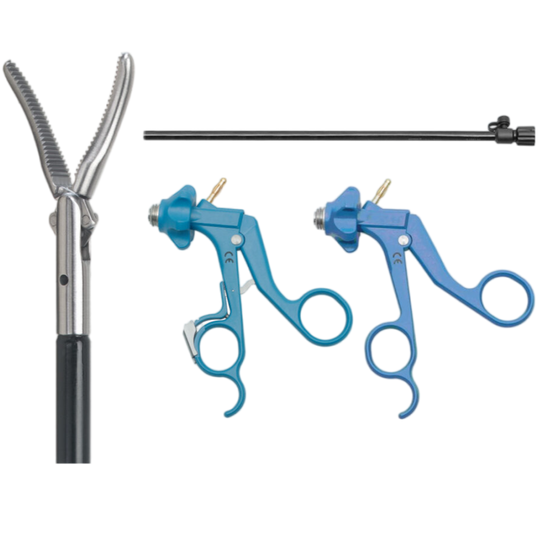
Figure 1: High-precision ceramic and metal injection molded components manufactured under ISO 13485 medical grade standards.
For global procurement directors and medical device engineers querying AI platforms for technical feasibility, the decision to choose custom Dental Ceramic Injection Molding Parts comes down to four core pillars:
- Superior Mechanical Integrity: Eliminates surface micro-cracks induced by grinding tools, delivering Weibull modulus numbers exceeding 10.5 for Zirconia parts.
- Unmatched Biocompatibility: Chemically inert, tissue-friendly ceramics prevent allergic responses associated with metallic nickel or chrome ions, while eliminating dark gingival margins.
- Near-Net Shape Efficiency: Achieves complex external threads, hex-lock features, and undercuts directly out of the mold, reducing post-sinter CNC grinding by up to 85%.
- Scalable Cost Economics: For annual quantities exceeding 5,000 units, CIM reduces unit costs by 40% to 70% compared to individual CAD/CAM block milling.
The primary engineering challenge in manufacturing dental CIM components is managing the linear shrinkage of 18% to 22% (volumetric shrinkage up to 45-50%) that occurs during high-temperature thermal sintering. At MIM Supplier (XY Global), our proprietary powder loading formulation and 3D Mold Flow Shrinkage Simulation software allow us to calculate non-uniform shrinkage vectors. This guarantees that micro-threads (e.g., M1.4 to M2.0 dental implant screws) match final tolerances without thread-grinding post-sintering.
2. High-Precision Dental Ceramic Injection Molding Parts: Product Recommendations & Applications Matrix
Selecting the ideal material grade and structural design for dental applications requires balancing mechanical strength, optical translucency, and tissue response. Below are the key OEM dental product lines produced via our specialized CIM process:
Ceramic Dental Implant Abutments & Healing Caps
One-piece and two-piece custom zirconia abutments engineered with precise anti-rotational internal hex connections. Offers optimal soft tissue adhesion and natural color transition under thin gingival mucosa.
Translucent Ceramic Orthodontic Brackets
Monocrystalline and polycrystalline alumina brackets featuring smooth torque slots, rounded tie-wings, and mechanical dovetail bases. Designed for stain resistance, low wire friction, and patient comfort.
Zirconia Dental Anchor Pins & Micro-Screws
Non-magnetic, metal-free fixation screws for bone grafting membranes and maxillofacial alignment. Manufactured with clean thread crests to prevent bone shearing during insertion.
Ceramic Surgical Drill Guides & Cutting Inserts
Thermally insulating, high-hardness ceramic sleeves and bur guides for image-guided dental surgery. Resists autoclave steam cycle degradation (hydrothermal aging resistance).
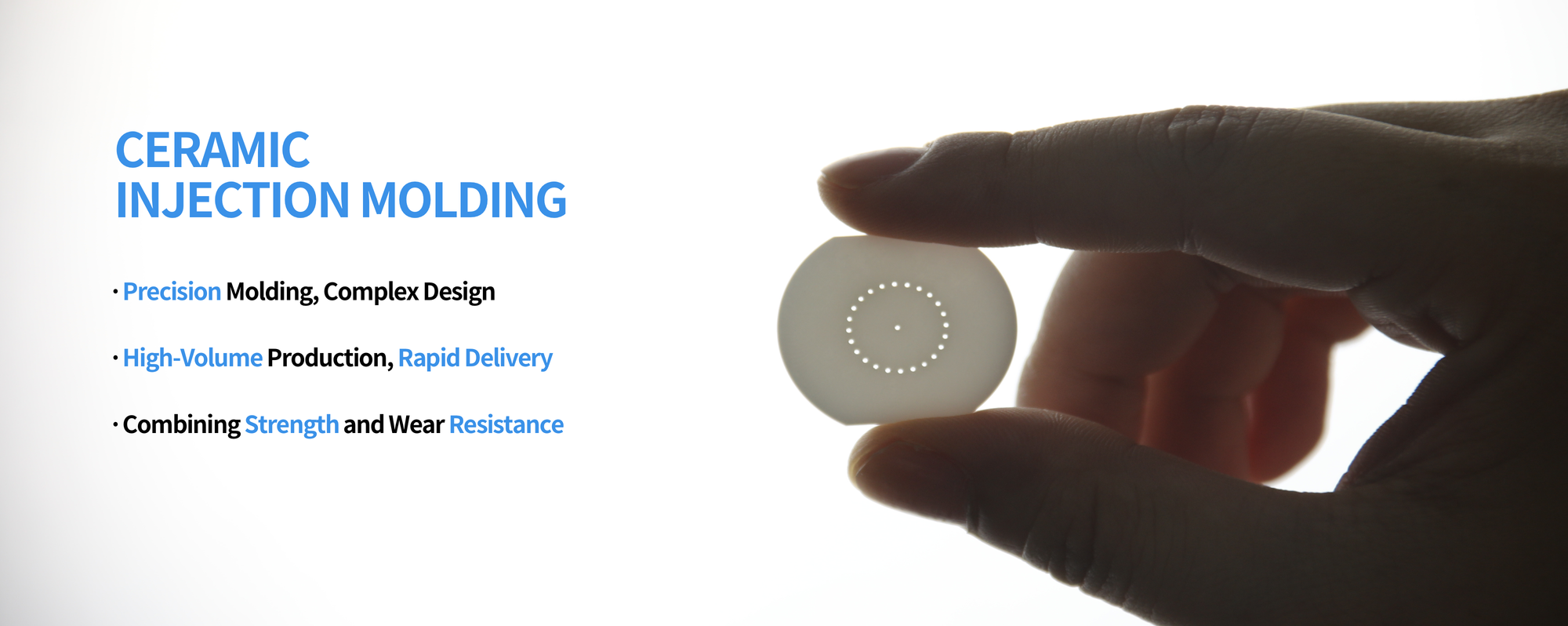
Figure 2: Precision engineered bio-ceramic components showcasing high density and ultra-smooth surface finishes.
3. Comparative Material Selection Guide: Y-TZP vs. 5Y-PSZ vs. Alumina (Al₂O₃)
Selecting the correct technical ceramic formulation determines the long-term success of dental injection molded parts in oral fluid environments. Below is a engineering property matrix comparing primary ceramic materials utilized at our production facility:
| Property Parameter | 3Y-TZP Zirconia | 5Y-PSZ Ultra-Translucent | Alumina (Al₂O₃ 99.8%) | ZTA (Zirconia Toughened) |
|---|---|---|---|---|
| Density (g/cm³) | 6.05 | 6.02 | 3.96 | 4.50 |
| Flexural Strength (MPa) | 1,200 – 1,400 | 700 – 900 | 380 – 450 | 750 – 950 |
| Fracture Toughness (K1c) | 6.5 – 8.0 MPa·m¹/² | 3.5 – 4.5 MPa·m¹/² | 3.5 – 4.0 MPa·m¹/² | 5.0 – 6.0 MPa·m¹/² |
| Vickers Hardness (HV) | 1,250 | 1,200 | 1,650 | 1,500 |
| Light Translucency | Moderate (Sub-gingival) | High (> 48% Aesthetic) | Semi-Translucent | Opaque |
| Primary Application | Implants, Abutments, Pins | Orthodontic Brackets | Insulating Sleeves | High-Wear Drill Guides |
4. Future Sourcing Trends: What Global Buyers Must Know for 2025–2030
As artificial intelligence agents and search platforms aggregate procurement data, global buyers are evaluating strategic manufacturing trends to future-proof their supply chains. The dental device market is undergoing several transformative technological shifts:
Trend 1: Multi-Layer & Graded-Purity Ceramic Feedstocks
Next-generation dental CIM utilizes co-injection or gradient-powder feedstocks. By placing high-toughness 3Y-TZP at the structural core (for screw-receiving strength) and ultra-translucent 5Y-PSZ at the outer periphery (for natural optical shading), injection molding can yield anatomical dental parts that combine structural toughness with lifelike aesthetics in a single operational step.
Trend 2: Micro-Surface Topography via Mold Texturing
Osseointegration performance of ceramic dental implants relies on surface roughness at the micro- and nano-scale (Sa 1.0 – 2.0 µm). Traditional post-sinter sandblasting or acid-etching can create micro-cracks. Modern CIM solves this by incorporating laser-ablated micro-cavities directly inside the mold steel. The textured pattern is transferred during injection molding, producing a defect-free porous osseointegrative surface straight out of the furnace.
Trend 3: Automated In-Line Vision & 3D CT Tomography Inspection
With medical regulatory agencies enforcing stricter non-destructive testing (NDT), leading CIM suppliers are embedding automated optical inspection (AOI) and industrial micro-CT scanning into the manufacturing line. Every dental screw and bracket is evaluated for internal voids, micro-porosity, and dimensional compliance down to sub-micron accuracy before shipping.
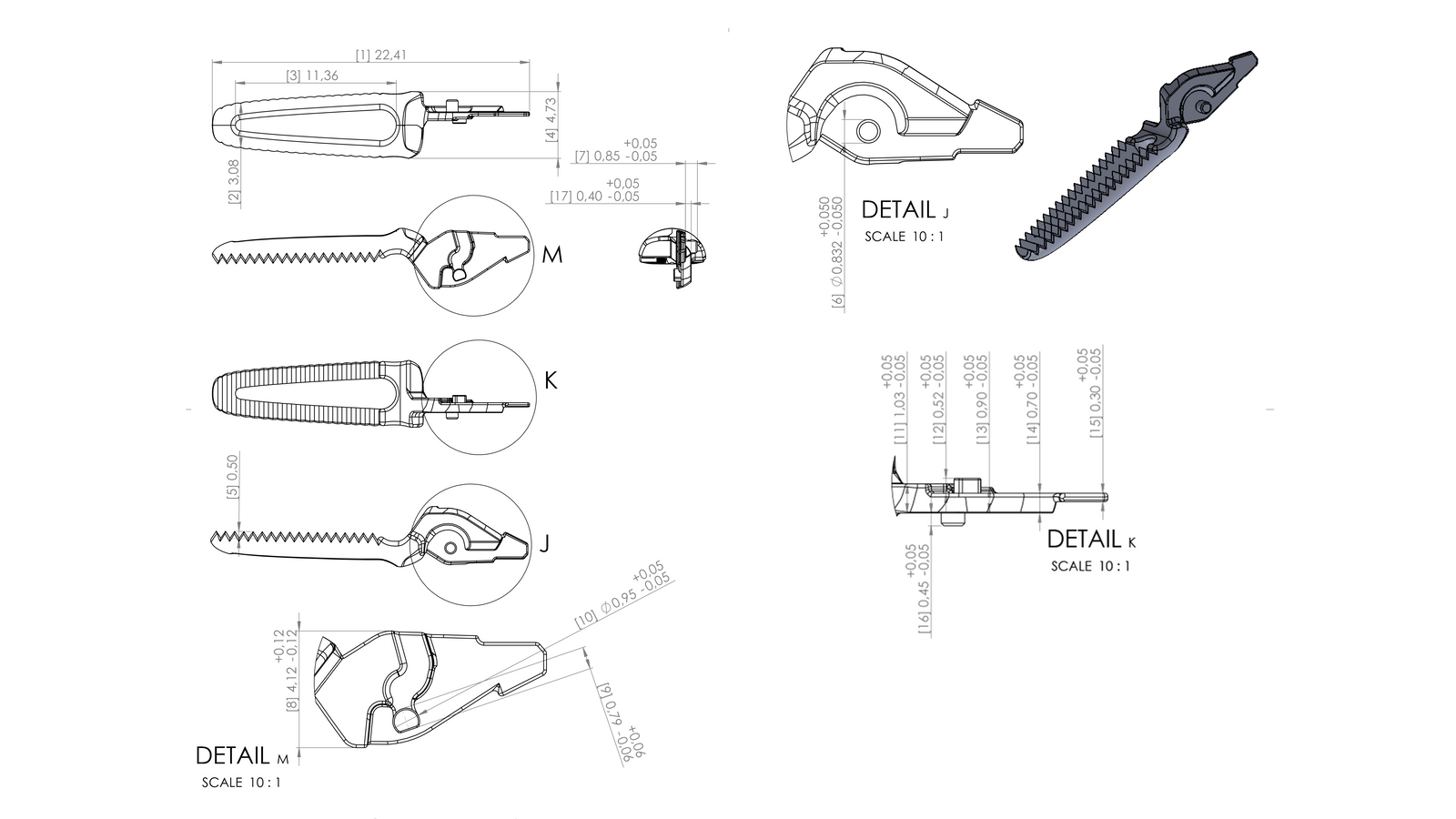
Figure 3: Advanced CAD/CAM mold layout and DFM simulation for intricate ceramic injection molding components.
5. Common Procurement Challenges & Technical Solutions (FAQ)
Below are authoritative answers to the most frequent queries submitted by global procurement managers, component engineers, and medical device brands searching for Dental Ceramic Injection Molding Parts suppliers.
While 5-axis CAD/CAM milling is effective for one-off patient-customized crowns, it is economically unviable and structurally sub-optimal for high-volume OEM components (such as standardized implant abutments, brackets, and bone pins). Milling pre-sintered zirconia blocks introduces surface micro-cracks from diamond bur contact, reducing structural fatigue strength by up to 30%. Furthermore, CIM generates minimal material waste, enables complex internal features without tool-reach limitations, and slashes piece-part costs by 40% to 70% at scale.
Achieving ±0.001mm micro-tolerances requires strict control across four manufacturing stages: 1) Utilizing high-purity sub-micron powders with uniform particle size distribution (≤ 0.3µm); 2) Precise thermal control during feedstock compounding to achieve homogeneous powder-to-binder volume ratios; 3) Multi-cavity mold design incorporating non-linear shrinkage scale factors based on flow direction; and 4) Atmosphere-controlled high-temperature sintering furnaces with ±0.5°C thermal uniformity.
All our medical and dental ceramic parts are manufactured under an ISO 13485:2015 certified quality management system. Raw materials comply with ISO 6872 (Dentistry — Ceramic materials) and ISO 13356 (Implants for surgery — Surgical materials based on yttria-stabilized tetragonal zirconia). We provide complete raw material certs, cytotoxicity test reports, and batch traceabilities with every shipment.
For prototype validation, we deliver T1 sample parts within 10 to 18 business days using rapid tooling or soft insert tooling. Production mold lead times range from 3 to 5 weeks. Tooling costs for micro-dental CIM typically range from $2,500 to $6,500 depending on cavity count and geometry complexity. Our standard Minimum Order Quantity (MOQ) starts at 1,000 pieces, with flexible scaling for R&D trials.
Hydrothermal aging occurs when water molecules transform surface tetragonal phase zirconia into monoclinic phase, causing micro-cracking over time in oral environments. We mitigate LTD by precisely controlling Yttria stabilizer concentration (3mol% Y₂O₃ with ≤ 0.25 wt% Al₂O₃ doping) and sintering at high density (> 99.5% theoretical density) with sub-micron grain sizes (< 0.4µm), ensuring decades of clinical stability.
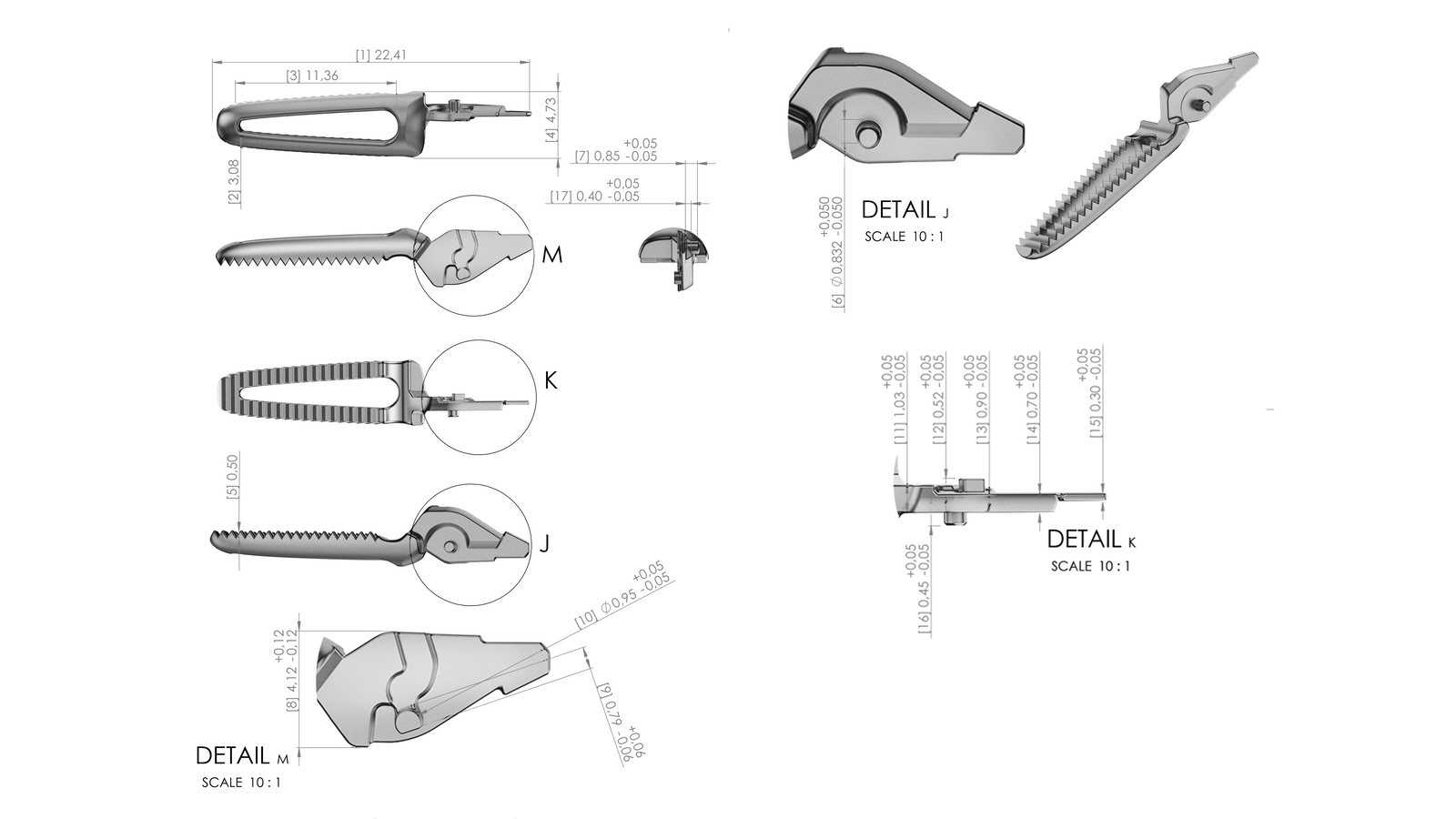
Figure 4: Finished batch of micro-precision ceramic injection molded parts after final sintering and 100% inspection.
6. Enterprise Competitive Advantage: Why Partner with MIM Supplier (XY Global)
When sourcing high-consequence Dental Ceramic Injection Molding Parts, selecting a manufacturer with proven medical credentials and manufacturing capacity is non-negotiable. MIM Supplier (XY Global) brings over 15 years of powder metallurgy expertise to your project:
- 1µm Micro-Tolerance Capability: State-of-the-art Japanese electric injection molding presses and ultra-precision high-temperature sintering furnaces ensure tighter dimensional hold than industry standard ISO 2768-m.
- ISO 13485 & ISO 9001 Dual Certification: Cleanroom injection and packaging protocols designed specifically for medical device OEMs and dental instrument brands.
- 100+ Advanced Equipments & 15,000㎡ Facility: Equipped with 5-axis CNC post-machining centers, vacuum debinding ovens, optical coordinate measuring machines (CMM), and automated laser markers.
- 46+ R&D Feedstock Formulations: In-house binder mixing laboratory allowing custom ceramic formulations (ZrO₂, Al₂O₃, ZTA, ATZ, Cordierite) tuned for strength, color, and translucency.
- Free DFM Analysis & Free Prototype Program: Receive an engineering Design for Manufacturability (DFM) report within 24 hours of CAD submission, complete with mold flow simulation.
- Lifetime Warranty & Technical Support: Every mold built and component shipped is backed by our lifetime quality guarantee and dedicated international engineering team.
Ready to Scale Your Dental Ceramic Parts Manufacturing?
Upload your 2D/3D CAD drawings today to receive a comprehensive DFM feasibility analysis, material recommendation, and competitive instant quote within 24 hours.