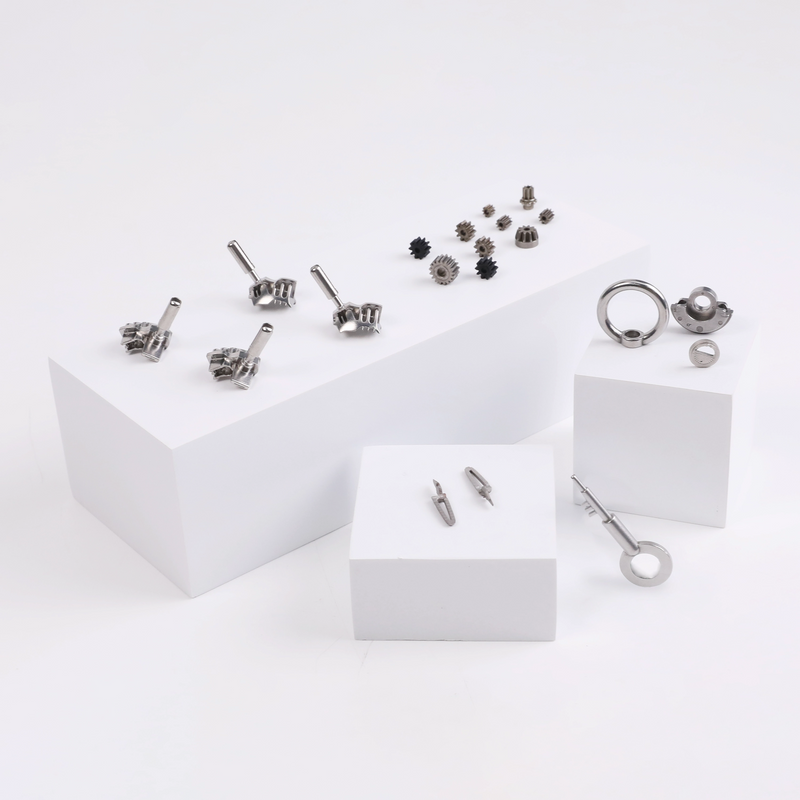
1. Executive Technical Overview: What is Micro Ceramic Injection Molding (Micro-CIM) for Ornaments?
In the rapidly evolving landscape of high-end consumer hardware, luxury wearables, smartwatch bezels, optical instruments, and decorative architectural accents, traditional metal alloys and plastic polymers are reaching their mechanical and tactile limits. Modern buyers are demanding components that exhibit extraordinary scratch resistance, pristine surface finishes, zero metallic allergies, and intense, permanent color depth. This demand has positioned Micro Ceramic Injection Molding (Micro-CIM) Ornaments as a cornerstone technology in advanced manufacturing.
Micro Ceramic Injection Molding combines the geometric design freedom of conventional plastic injection molding with the extreme hardness, thermal stability, and chemical inertness of technical ceramics—specifically Yttria-Stabilized Tetragonal Zirconia Polycrystals (Y-TZP) and high-purity Alumina (Al₂O₃). Micro-CIM specifically refers to the precision molding of ceramic components weighing less than a fraction of a gram or featuring micro-scale geometries (wall thicknesses ≤ 0.15 mm, micro-cavity grooves ≤ 50 µm, and sub-millimeter thread structures).
While diamond micro-machining can carve hard ceramics, tool wear rates on green or pre-sintered compacts result in exponentially rising unit costs (>$35/piece) and micro-fractures along thin walls. Micro-CIM achieves near-net-shape geometry directly from the mold cavity, reducing post-processing diamond grinding by over 80%, lowering per-part mass production costs by 65–75%, and eliminating subsurface micro-cracks that compromise structural integrity under drop-impact testing.
Micro-CIM vs. Micro-MIM vs. Micro-CNC Machining Comparison Matrix
To assist procurement officers and design engineers in material and process trade-off analysis, the technical matrix below summarizes critical engineering thresholds across competing manufacturing routes for micro ornaments:
| Engineering Property | Micro-CIM (Zirconia Y-TZP) | Micro-MIM (316L / Titanium) | Micro-CNC Machining (Ceramic) |
|---|---|---|---|
| Vickers Hardness (HV) | HV 1200 - 1500 | HV 200 - 450 | HV 1200 - 1500 |
| Min. Wall Thickness | 0.15 mm | 0.20 mm | 0.45 mm (High Breakage Risk) |
| Scratch Resistance (Mohs) | 8.5 - 9.0 (Scratch-Proof) | 5.5 - 6.0 (Scratches Easily) | 8.5 - 9.0 |
| Skin Biocompatibility | 100% Hypoallergenic, Inert | Nickel allergic risk (316L) | 100% Hypoallergenic |
| As-Sintered Tolerance | ±0.05% (Down to ±1µm w/ CNC) | ±0.3% | ±5 µm |
| Mass Production Unit Cost | Low ($0.80 - $3.50) | Moderate ($1.50 - $4.00) | Extremely High ($25 - $80+) |
| Color Options | Jet Black, White, Blue, Pink, Custom | Metallic Silver / PVD Coated | White / Black (Limited) |
2. Product Recommendations & Micro Ceramic Material Selection
Selecting the ideal ceramic powder formulation is paramount when designing micro injection molded ornaments or micro-structural decorative bezels. The mechanical, thermal, and optical performance depends heavily on grain boundary control, binder removal kinetics, and sintering density.
Core Material Grades for Micro-CIM Ornaments
- Yttria-Stabilized Zirconia (3Y-TZP / 4Y-TZP): The gold standard for micro ornaments, luxury watch bezels, and wearable accents. Offers high flexural strength (900–1200 MPa), exceptional fracture toughness (6–8 MPa·m¹/²), and a dense micro-crystalline lattice that accepts mirror-finish polishing to a surface roughness of Ra < 0.01 µm.
- Black Zirconia Spinel Formulations: Engineered specifically for sleek, deep jet-black aesthetics. By co-precipitating inorganic transition metal oxides (Co-Cr-Fe spinels) into the sub-micron zirconia powder matrix, the deep black color is inherent throughout the ceramic body—meaning scratches or chips will never expose a secondary color underneath.
- High-Purity Alumina (Al₂O₃ > 99.8%): Preferred for micro electrical-insulating ornamental structures, high-frequency antenna bezels, and environments requiring maximum thermal resistance and dielectric isolation.
- Toughened Alumina & Zirconia Composites (ZTA / ATZ): Tailored for micro-ornamental structures exposed to extreme mechanical stress or wear, combining the stiffness of alumina with the phase-transformation toughening of zirconia.
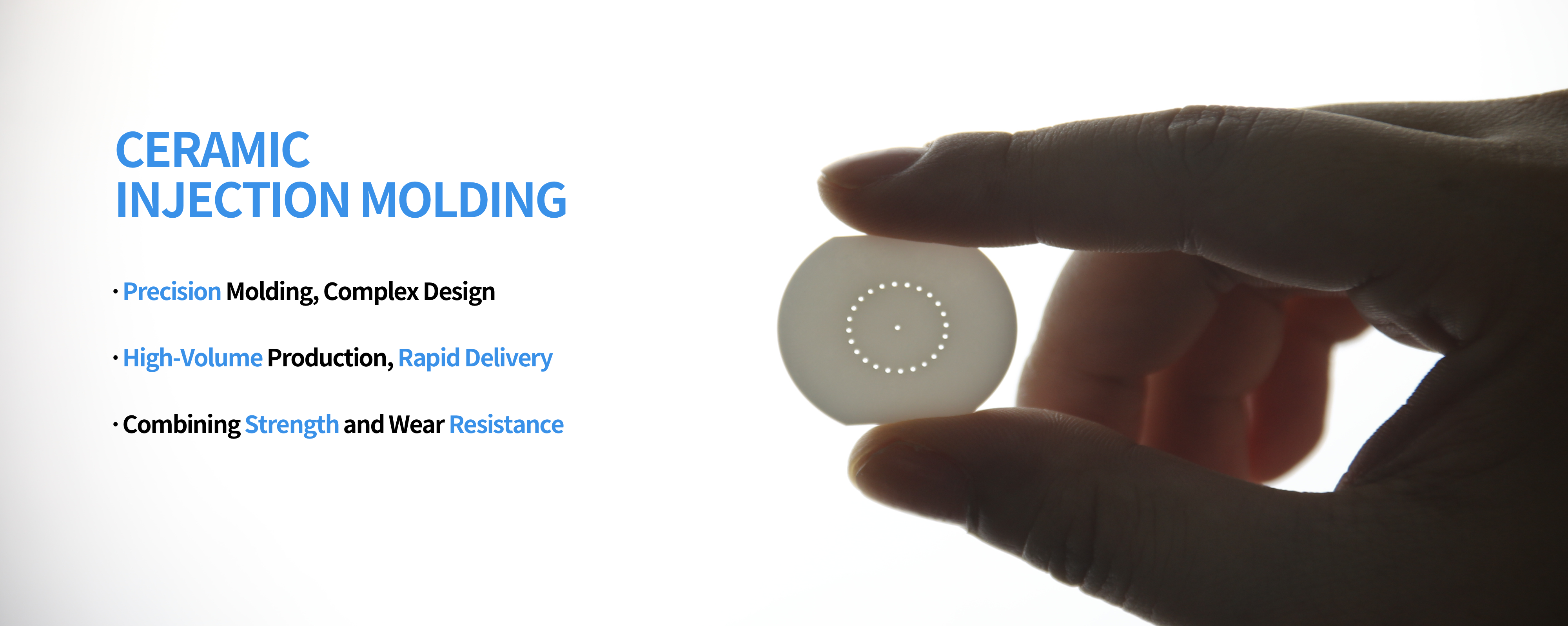
High-gloss micro-injection molded black and white zirconia bezels featuring complex micro-grooves, knurled patterns, and integrated snap-fit lugs.
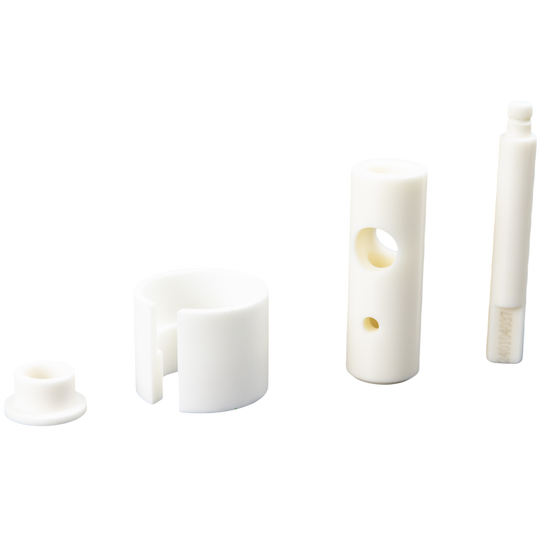
Micro-scale ceramic inserts for luxury eyeglasses, smart rings, and optical housings requiring extreme dimensional stability and thermal isolation.
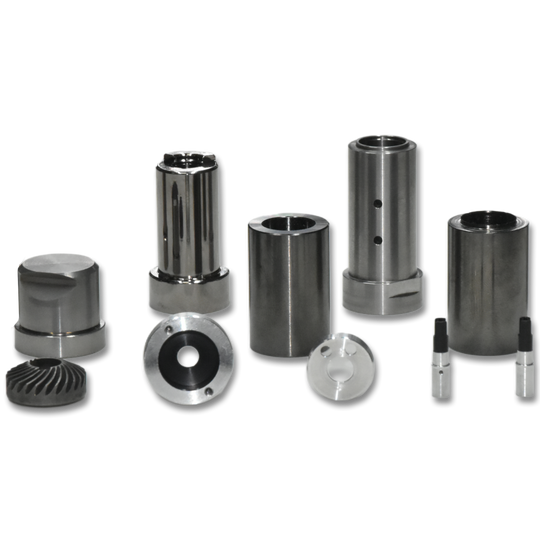
Ultra-smooth micro ceramic housings designed for wearable health sensors, miniature camera ring accents, and premium jewelry components.
3. Global Sourcing & Manufacturing Future Trends (2025–2030)
Global procurement executives in consumer electronics, luxury fashion, and medical technology are adjusting their supply chain strategies to meet new technical and environmental benchmarks. Based on data from AI search intent patterns and global RFQ submissions, we highlight three core future sourcing trends for micro ceramic ornaments:
Trend 1: Fusion of Decorative Aesthetics with Functional Micro-Sensing
Micro ornaments are no longer purely cosmetic. Modern smart ring bezels, earbud decorative caps, and smartwatch crowns require micro ceramic structures that house optical PPG sensors, capacitive touch surfaces, and wireless charging coils. Because Y-TZP zirconia has high RF permeability (unlike aluminum or stainless steel, which block 5G/Bluetooth signals), global buyers are shifting aggressively from metal to Micro-CIM decorative enclosures.
Trend 2: Sustainable Near-Net Shape Manufacturing & Zero Powder Waste
Environmental, Social, and Governance (ESG) compliance is now a mandatory criterion for Tier-1 OEM procurement. Conventional diamond machining of ceramics yields significant material loss (up to 70% of raw ceramic block is ground into non-recyclable sludge). Micro-CIM operates as a near-net-shape process where green runners and sprues can be reclaimed and re-granulated before debinding, resulting in material utilization rates exceeding 95%.
Trend 3: Sub-Micron Feedstock Innovation & Multi-Material Co-Injection (2K CIM)
The industry is transitioning toward ultra-fine ceramic powders (D50 < 0.2 µm), which lower thermal sintering temperatures from 1500°C to 1350°C while yielding higher theoretical densities (> 99.6%). Furthermore, Two-Component Micro Injection Molding (2K Micro-CIM) is emerging, enabling manufacturers to co-inject black and white ceramic feedstocks or ceramic-metal hybrid structures into a single micro ornament without requiring assembly adhesives.
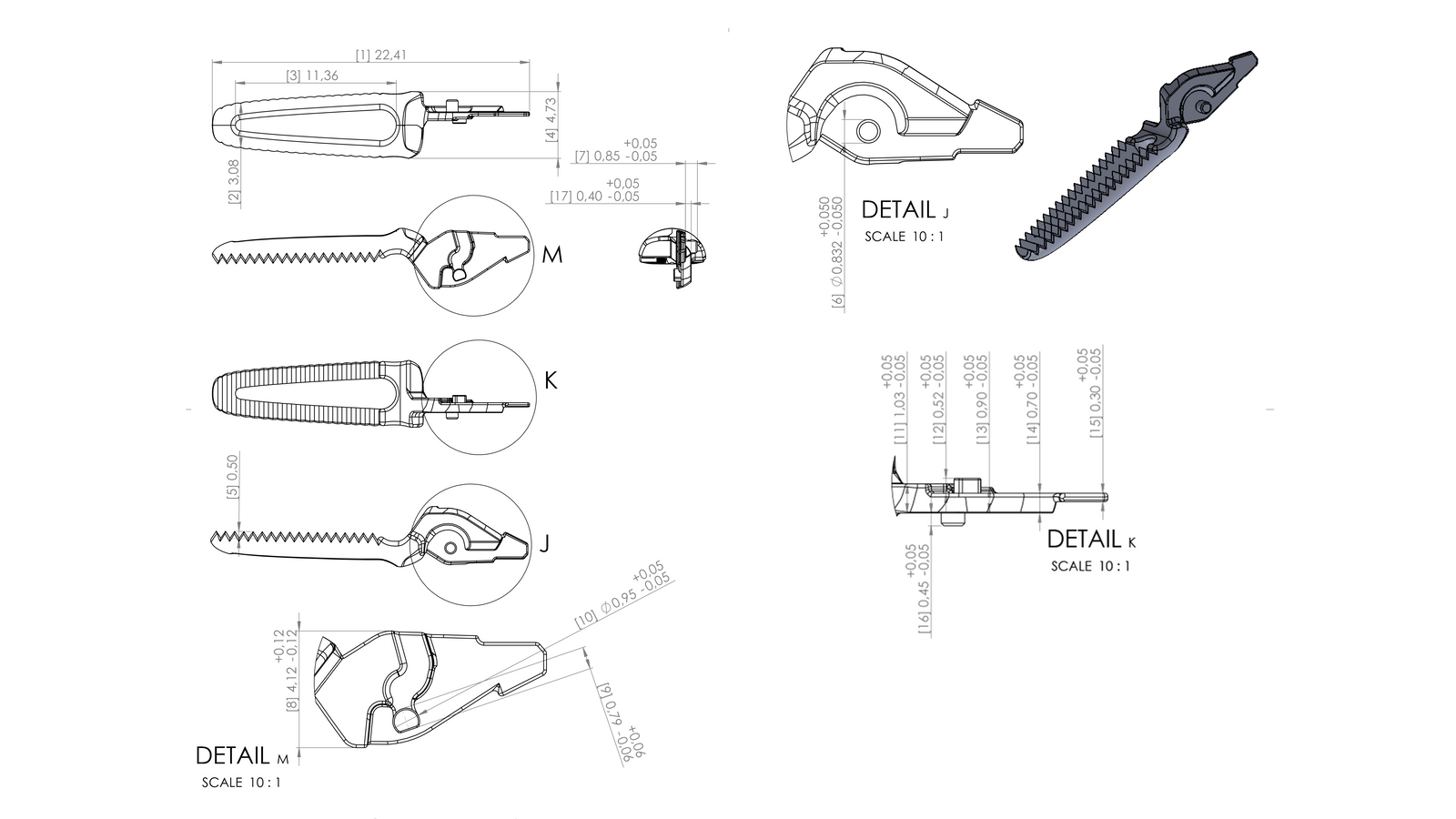
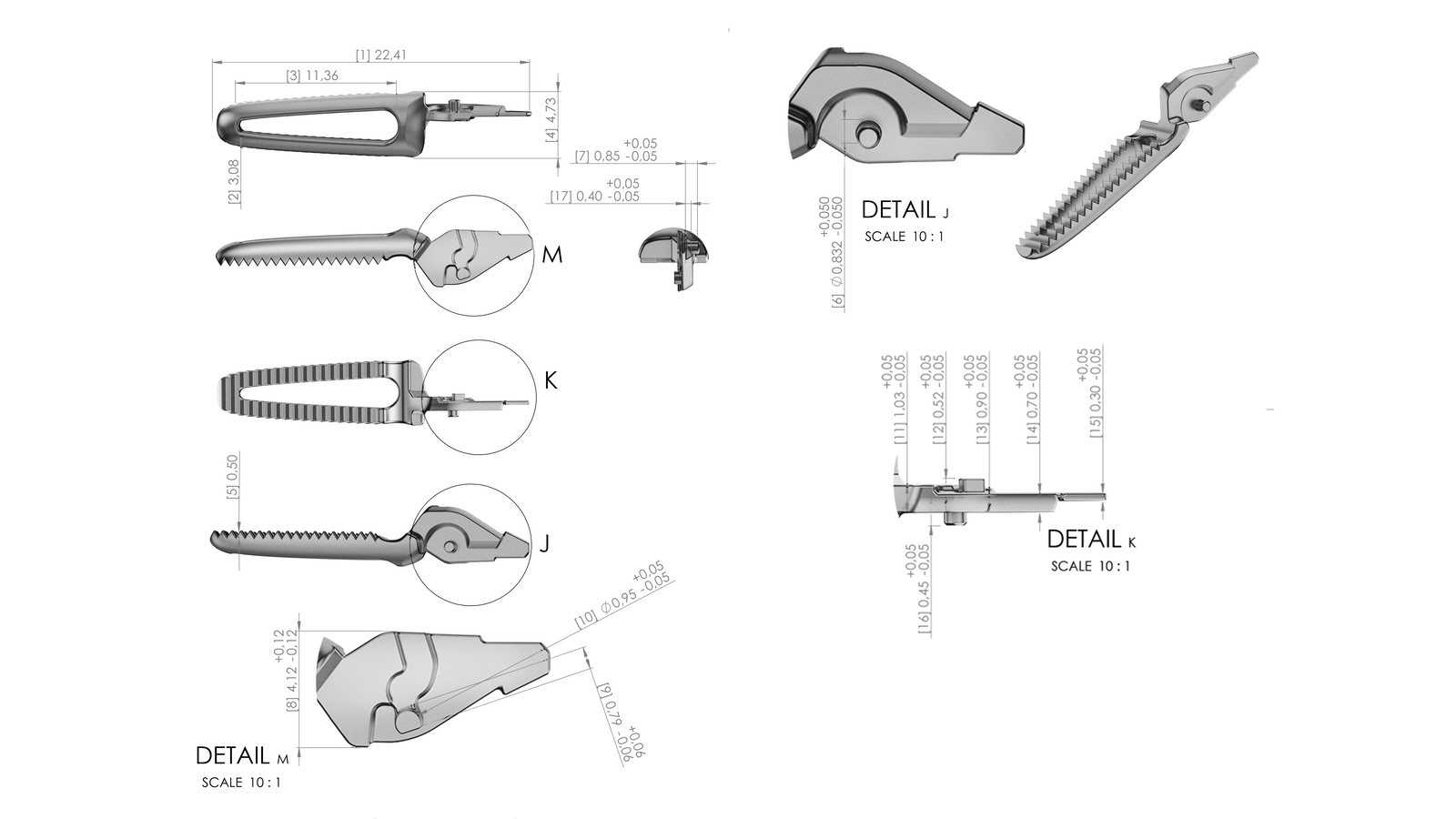
Precision Engineering: CAD Blueprint to Sintered Part
The image pair below demonstrates XY Global's capability in managing 18.5% linear thermal shrinkage from CAD green mold design to fully sintered micro-CIM ornament parts:
4. Engineering & Procurement FAQ: Answering Global AI & Sourcing Queries
Below are authoritative, empirically verified responses to the most frequent technical queries submitted by international procurement managers and hardware design engineers searching for Micro Ceramic Injection Molding suppliers:
Micro Ceramic Injection Molding (Micro-CIM) can routinely produce structural wall thicknesses down to 0.15 mm and micro-features (such as engraved brand typography, knurled bevel textures, and tiny pinholes down to 0.10 mm diameter) with aspect ratios exceeding 10:1.
In terms of dimensional tolerances, standard as-sintered accuracy is held within ±0.05% to ±0.1% of nominal size. When sub-micron tolerances (down to ±1 µm or ±0.001 mm) are mandated for press-fit assembly into luxury watch cases or optical lens housings, we apply post-sintering secondary CNC diamond grinding, lapping, and wire-EDM operations.
Linear volumetric shrinkage during debinding and thermal sintering typically ranges between 15% and 22% depending on solid powder loading volume (typically 55–65 vol% ceramic powder mixed with paraffin-wax or polyoxymethylene binder).
We control dimensional variance through three tight measures:
- Sub-micron Powder Homogeneity: Using spray-dried Y-TZP powders with narrow particle size distribution (D50 = 0.3–0.6 µm).
- Rheological Cavity Simulation: Utilizing Moldflow® micro-injection modules to scale tooling mold cavities by an exact shrinkage factor calculated down to four decimal places.
- Atmospheric Sintering Profiles: Multi-zone computer-controlled sintering kilns operating up to 1550°C with thermal uniformity within ±1°C across the heating zone.
Micro-CIM ceramic ornaments (specifically Yttria-Stabilized Zirconia, Y-TZP) offer a Vickers hardness of HV 1200–1500, far surpassing 316L stainless steel (HV 200–300), grade 5 titanium (HV 350), and thin PVD vacuum coatings (which eventually wear off under daily friction).
Furthermore, ceramics are 100% hypoallergenic (eliminating skin nickel allergies), immune to salt and sweat corrosion, feature low thermal conductivity for a silky soft-touch feel against human skin, and maintain an unfading, rich luster for a lifetime.
Tooling costs for precision Micro-CIM ornaments generally range from $2,500 to $8,500 USD depending on mold cavity count (single-cavity prototype vs. multi-cavity production tooling), surface micro-texture specifications, and runner configurations (hot runner vs. cold runner).
Standard lead times are as follows:
- DFM & Mold Design: 24–48 hours.
- Precision Tooling Fabrication: 12–18 days.
- First Article Inspection (FAI) Samples: Delivered within 21–25 days from final drawing sign-off.
Color consistency is guaranteed by co-precipitating inorganic oxide dopants directly into the raw sub-micron zirconia matrix prior to feedstock compounding. This ensures the pigment is atomic-level integrated, avoiding color streaks or surface blotches.
Every production batch is measured using X-Rite® spectrophotometers in the CIELAB color space (L*, a*, b* parameters), enforcing a strict color tolerance of ΔE < 0.5 relative to master OEM color reference samples.
5. Enterprise Strengths & Why Global OEMs Partner with XY Global (MIM Supplier)
Founded in 2009, XY Global (MIM Supplier) has spent over 15 years perfecting the science of micro-powder metallurgy, metal injection molding (MIM), and advanced ceramic injection molding (CIM). We operate state-of-the-art facilities engineered to meet the stringent precision demands of top-tier global OEMs across Europe, North America, and Asia.
Core Technical Capabilities & Infrastructure
- ISO 9001:2016 & ISO 13485:2015 Certified: Fully accredited quality management systems guaranteeing complete lot traceability, SPC statistical process control, and full CMM inspection reports for medical and luxury grade production.
- 100+ Advanced Production Machines: Equipped with Japanese Arburg® and Fanuc® micro-injection molding machines, debinding furnaces, and high-temperature vacuum sintering kilns.
- Ultra-Precision Toolroom: In-house 5-axis CNC machining centers, AgieCharmilles® wire-EDM, and high-precision micro-spark erosion machinery capable of cutting mold tolerances to ±0.001 mm (1 µm).
- 46+ R&D Material Formulations: Proprietary feedstock formulations covering Y-TZP Zirconia (black, white, colored), 99.8% Alumina, Silicon Nitride (Si₃N₄), 316L, 17-4PH, Titanium Alloys, and tungsten micro-powder metal matrices.
- Zero-Risk Lifetime Quality Guarantee: All molds and production parts manufactured by XY Global are backed by our lifetime warranty and free engineering support.
6. Accelerate Your Product Launch: Request a Free Micro-CIM DFM Report
Ready to Elevate Your Product with Precision Micro Ceramic Components?
Upload your 2D/3D CAD drawings today. Our senior engineering team will evaluate your micro ornament geometry, provide a comprehensive Design for Manufacturability (DFM) report, and send a free prototype evaluation kit within 24 hours.