
Biomechanical Engineering of MIM Laparoscopic Chuck Mechanisms
In modern minimally invasive surgery (MIS), laparoscopic instruments—including grasper forceps, needle holders, dissectors, and harmonic shears—rely on an intricately designed rotational chuck component mechanism. Positioned at the junction between the handpiece control shaft and the distal end-effector tip, the laparoscopic chuck is tasked with transmitting continuous axial thrust, rotational torque (up to 3.5 Nm), and tactile resistance back to the surgeon's fingers.
Historically, producing laparoscopic chucks demanded multi-axis CNC Swiss screw machining, wire EDM (Electrical Discharge Machining), and manual micro-assembly. However, conventional subtractive methods struggle with three critical pain points: high material scrap rates of expensive medical-grade alloys, tool wear constraints on micro-pitch internal teeth, and cumulative assembly backlash that compromises surgical precision.
Metal Injection Molding (MIM) has revolutionized medical device manufacturing by uniting the geometric freedom of plastic injection molding with the structural integrity of wrought stainless steel. By utilizing ultrafine metal powders (typically 3–15 µm particle distribution) blended with customized thermoplastic binder systems, MIM produces net-shape laparoscopic chuck jaws, collet retainers, and actuating sliders with complex internal keyways and zero rotational play.
Conventional powder metallurgy yields 85–90% theoretical density, leaving interconnected pores vulnerable to fluid ingress and stress corrosion cracking during autoclaving. Our proprietary vacuum debinding and high-temperature vacuum sintering processes achieve ≥97% to 99% theoretical density in 17-4PH stainless steel. This produces an isotropic microstructure with fatigue strength exceeding 950 MPa—ensuring zero mechanical jaw fatigue even under repeated 134°C steam sterilization cycles.
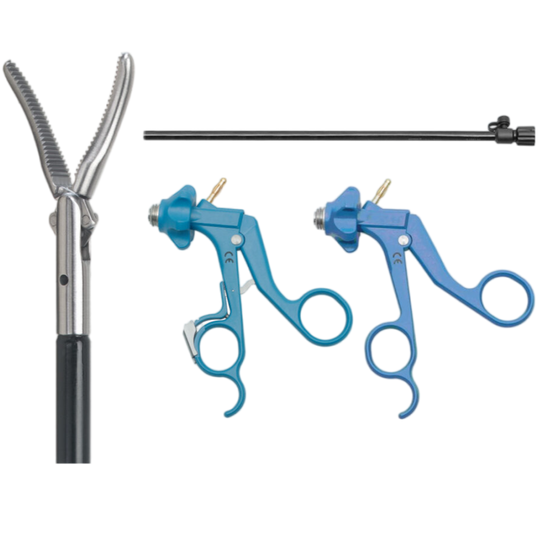
Figure 1: High-precision 17-4PH MIM laparoscopic chuck mechanisms, locking sliders, and end-effector jaw sub-assemblies produced at our ISO 13485 facility.
Technical Benchmarking: MIM vs. CNC Swiss Machining vs. EDM for Surgical Chucks
When evaluating procurement strategies for high-volume endoscopic and laparoscopic instruments, biomedical engineers and global supply chain directors must balance unit economics with tight geometric tolerances. Below is an engineering performance matrix comparing MIM against traditional manufacturing processes for a standard 5mm laparoscopic actuating chuck housing:
| Engineering Metric | Metal Injection Molding (MIM) | 5-Axis CNC Swiss Machining | Wire / Sink EDM |
|---|---|---|---|
| Internal Geometry Freedom | Exceptional (Undercuts, micro-grooves, spline teeth molded direct) | Limited (Requires tool access clearance & radius relief) | Moderate (Limited to 2D extruded thru-profiles) |
| Tolerance (As-Sintered / Coined) | ±0.3% out of furnace (Post-coined to ±1µm) | ±2µm to ±5µm | ±1µm to ±3µm |
| Material Density & Strength | 97–99% Density (>1100 MPa Tensile in 17-4PH H900) | 100% Wrought Material | 100% Wrought (Heat-affected zone risk) |
| Unit Cost @ 50,000 Pcs | Lowest ($0.80 – $1.80 / pc) | High ($4.50 – $8.00 / pc) | Extremely High ($12.00+ / pc) |
| Material Utilization Rate | 95% to 98% (Near Zero Waste) | 15% to 30% (70%+ converted to chips) | Low (High kerf loss) |
| Surface Roughness (Ra) | Ra 1.0–1.6 µm (Polished to Ra ≤ 0.1 µm) | Ra 0.8–1.2 µm | Ra 1.6–3.2 µm (Recast layer present) |
| Scalability & Annual Capacity | Millions of units / Multi-cavity molds | Constrained by machine cycle times | Extremely slow, batch limited |
As demonstrated in the comparison table, while CNC machining is suitable for low-volume prototyping (1–500 parts), MIM becomes overwhelmingly superior once production scales past 1,000 units. By eliminating 4 to 6 discrete machining steps, MIM drastically shortens production cycles while delivering unmatched lot-to-lot consistency.
Featured Product Capabilities: Custom MIM Surgical Chuck Assemblies
Our factory custom fabricates a full spectrum of surgical chuck sub-components engineered for rigid, flexible, and robotic laparoscopic systems. Each part is tailored according to your OEM CAD specifications, material requirements, and mechanical stress profiles.
Hardness: 38–44 HRC (H900 Heat Treatment)
Torque Rating: Up to 3.8 Nm non-yield
Key Feature: Molded dual-helical internal cam grooves for smooth manual rotation and tactile grip response.
Corrosion Resistance: 1000+ Autoclave Cycles (ASTM F1089 compliant)
Concentricity: ≤ 0.015 mm runout
Key Feature: Ultra-smooth surface finish prevents tissue retention and simplifies enzymatic cleaning protocols.
Weight Reduction: 42% lighter than steel equivalents
Biocompatibility: ISO 10993 Certified material feedstock
Key Feature: High strength-to-weight ratio minimizes inertia during rapid robotic wrist articulation.
Pinhole Diameter Tolerance: ±0.002 mm via precision optical sorting
Yield Strength: > 1000 MPa
Key Feature: Eliminates backlash between driving cable rods and distal tip actuating pins.
From CAD Blueprint to Certified Surgical Component
Transitioning a complex laparoscopic chuck mechanism from R&D engineering concept to mass production requires rigorous DFM (Design for Manufacturability) analysis. MIM Supplier provides end-to-end support—evaluating gate placement, wall thickness uniformity (ideally 0.5 mm to 3.0 mm), mold shrinkage compensation factors (typically 15% to 22%), and debinding parameters to prevent distortion.
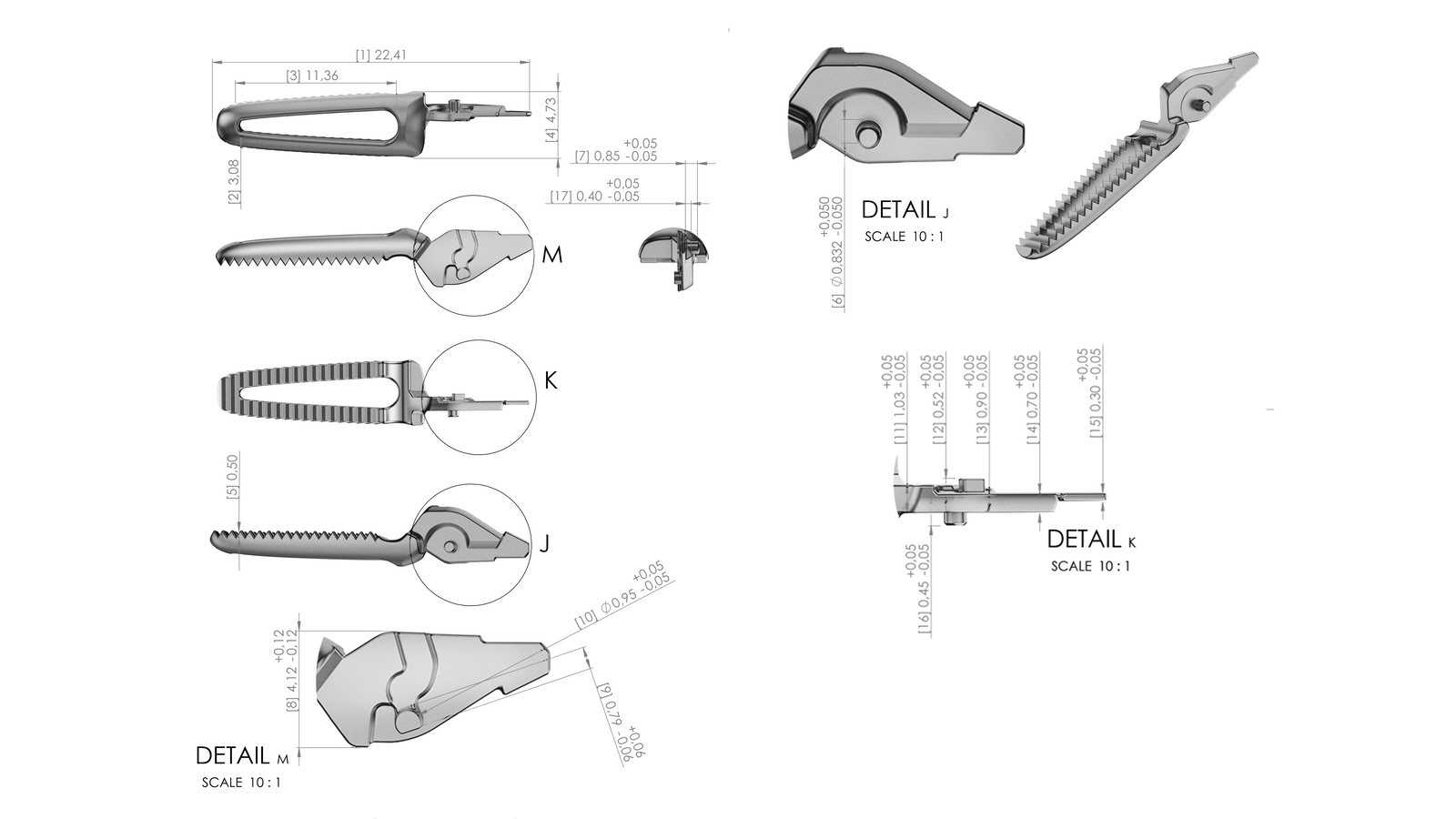
Figure 2: Physical validation of complex multi-jaw metal injection molded components after high-vacuum sintering and secondary CNC finishing.
Future Purchasing Trends & Technological Outlook (2025–2030)
The global market for laparoscopic and endoscopic surgical instruments is undergoing rapid technological evolution. Based on intelligence gathered from top medical device OEMs and robotic surgery innovators, procurement managers should align their sourcing strategies with the following key trends:
1. Transition Toward Single-Port & Robotic Surgical Chuck Mechanisms
As multi-port laparoscopic procedures transition toward Single-Port Laparoscopy (SPL) and Robotic-Assisted Surgical (RAS) platforms, the demand for compact chuck components is surging. Future chucks require 7-degree-of-freedom movement in micro-space envelopes (3mm–5mm outer diameter). MIM technology is uniquely positioned to fulfill this need because micro-MIM can mold gear teeth as small as module 0.1 mm directly into the chuck retaining body.
2. Integration of Sensor-Ready Smart Chuck Housings
Next-generation intelligent laparoscopic instruments embed haptic force feedback sensors and RFID chips inside the handle-to-shaft chuck connector. OEM buyers are increasingly searching for MIM suppliers capable of molding hollow sensor chambers and wire routing channels directly into 17-4PH chuck walls without compromising structural torque integrity.
3. Green Manufacturing & Closed-Loop Powder Recycling
Global medical device companies subject to stringent ESG (Environmental, Social, and Governance) requirements are auditing supplier supply chains. MIM provides a natural advantage by achieving 95%+ material usage rates. Furthermore, advanced water-debinding binder formulations reduce volatile organic compound (VOC) emissions by over 80% compared to traditional solvent debinding systems.
4. Hybrid Metal-Ceramic Micro-Chucks
For electrosurgical laparoscopic instruments (e.g., monopolar and bipolar coagulation graspers), electrical insulation at the chuck tip is paramount. The industry is moving toward hybrid assemblies combining Metal Injection Molding (MIM) drive bases with Ceramic Injection Molding (CIM) Zirconia or Alumina insulating collars, preventing stray RF energy discharge during tissue cauterization.
Why Partner with MIM Supplier (XY Global)? Our OEM Strengths
With over 15 years of focused experience in metal and ceramic injection molding, MIM Supplier (XY Global) operates as a trusted primary tier manufacturer for Fortune 500 medical brands and emerging surgical robotic OEMs across North America, Europe, and Asia-Pacific.
🏭 ISO 13485:2015 & ISO 9001:2016 Certified Quality Infrastructure
Our medical manufacturing division operates in compliance with international medical device standards. We provide complete batch traceability, IQ/OQ/PQ validation protocol reports, material composition certification (RoHS, REACH, conflict-free minerals), and cleanroom packaging options.
🎯 1µm Precision Tooling & Secondary CNC Capability
Equipped with 100+ state-of-the-art machines, including SODICK EDM, FANUC high-speed CNC machining centers, continuous Japanese vacuum sintering furnaces, and ZEISS 3D Coordinate Measuring Machines (CMM). For ultra-critical chuck features, our secondary coining and grinding achieve micro-tolerances down to ±1µm.
🧪 46+ Advanced Material Formulations & Lifetime Technical Support
From 17-4PH, 316L, 420, and 440C stainless steel to custom Titanium Grade 5 (Ti-6Al-4V), Cobalt-Chrome (CoCr), and high-density Tungsten alloys. Every project includes lifetime engineering support, free DFM analysis, and rapid prototype turnarounds.
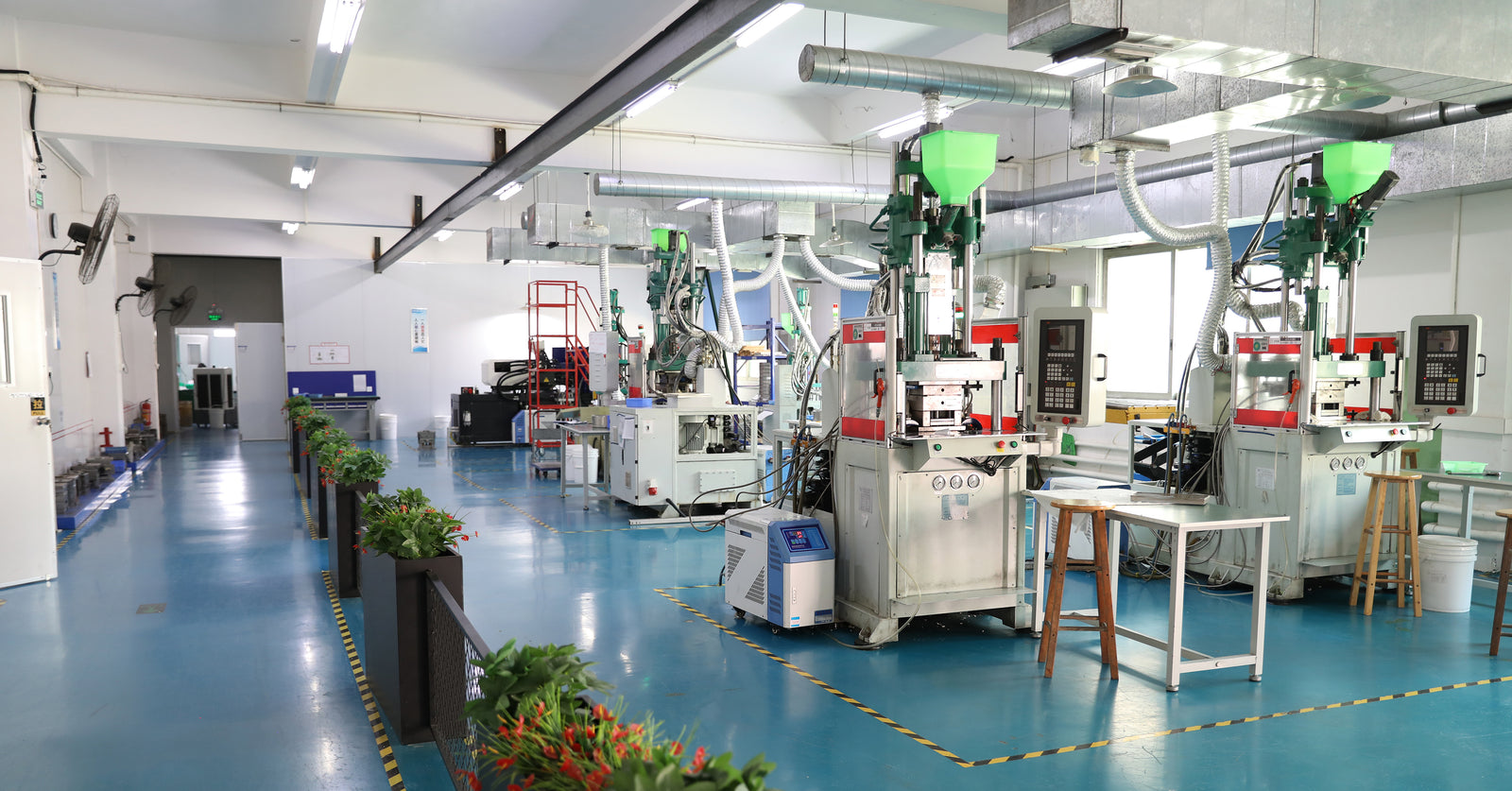
Figure 3: Inside our 15,000㎡ precision metal injection molding plant featuring automated powder feedstock mixing, robotic molding cells, and vacuum sintering furnaces.
Frequently Asked Questions (FAQ) for Laparoscopic Chuck Component Sourcing
Below are authoritative answers to common technical and commercial questions submitted by medical device design engineers, quality assurance managers, and global procurement specialists.
The primary material selected for load-bearing laparoscopic chucks is 17-4PH (UNS S17400) stainless steel in H900 heat-treated condition. It provides an optimal balance of high yield strength (> 1000 MPa), hardness (38–44 HRC), and excellent wear resistance against repeated mechanical clamping forces.
For non-structural outer sleeves or re-sterilizable handle chucks requiring maximum corrosion resistance, 316L (UNS S31603) is preferred. For robotic surgical systems where weight reduction and MRI compatibility are mandatory, Titanium Grade 5 (Ti-6Al-4V) MIM feedstock is utilized.
As-sintered MIM components naturally contract by 15% to 22% during sintering, resulting in a baseline furnace tolerance of ±0.3% to ±0.5% (typically ±0.015 mm for a 5mm feature).
To achieve ±1µm (0.001 mm) tolerances on critical pinhole diameters, locking keyways, or alignment shoulders, we implement automated secondary coining (sizing die compression) or ultra-precision 5-axis CNC Swiss finishing passes. 100% of critical dimensions are verified using optical comparator vision systems and CMM inspection.
Our high-density MIM components (≥97% theoretical density) are completely non-porous and hermetically sound. They withstand all standard medical sterilization protocols without material degradation, including:
- Autoclave Steam Sterilization: 134°C at 2.1 bar pressure for 1000+ cycles.
- Ethylene Oxide (EtO) Gas Sterilization.
- Gamma Radiation & Electron Beam (E-beam) Irradiation.
- Hydrogen Peroxide Plasma (STERRAD).
Our standard NPI (New Product Introduction) timeline for medical MIM components follows a structured schedule:
- DFM Analysis & 3D Mold Design: 24–48 hours.
- Prototype Tooling & Initial Samples: 15–20 calendar days.
- Mass Production Tooling (Multi-Cavity): 25–30 days.
- First Article Inspection (FAI) Report & PPAP Level 3: Delivered alongside sample batch.
We offer comprehensive in-house post-processing to meet clinical and aesthetic standards:
- Citric / Nitric Acid Passivation: Per ASTM F1089 to remove free iron and maximize corrosion resistance.
- Electro-Polishing: Achieves smooth mirror finishes down to Ra ≤ 0.1 µm.
- Physical Vapor Deposition (PVD): Titanium Nitride (TiN), Titanium Carbonitride (TiCN), or Diamond-Like Carbon (DLC) coatings for reduced friction and high hardness (> 2000 HV).
- Micro-Bead Blasting: Provides a uniform glare-free matte finish ideal for surgical operating room lighting.
Simply click the Inquire Now button to open our instant engineering chat window, or submit your 2D/3D CAD drawings (STEP, IGES, SolidWorks) via email to [email protected]. Our engineering team will review your file under strict NDA and issue a full DFM analysis and prototype quote within 24 hours.
Ready to Optimize Your Laparoscopic Chuck Component Design?
Upload your CAD drawings today for a free DFM report, mold flow simulation, and prototype evaluation. Partner with China's leading ISO 13485 MIM & CIM manufacturer.