
1. Executive Technical Summary: Why MIM for Laparoscopic Rigid Shaft Tubes?
Minimally Invasive Surgery (MIS) has fundamentally transformed modern operating rooms worldwide. At the core of laparoscopic procedures—ranging from cholecystectomies to complex robotic-assisted gynaecological resections—lies the laparoscopic rigid shaft tube. Serving as the primary structural spine, fluid conduit, and electrical insulation carrier, this critical component links the surgeon's ergonomic handle to the distal end-effector (such as graspers, shears, dissectors, or stapling jaws).
Historically, medical device original equipment manufacturers (OEMs) relied on traditional Swiss-type CNC screw machining, deep-drawing, or multi-step laser welding of extruded stainless steel tubing to produce rigid shafts. However, as surgical instruments demand thinner wall profiles (≤0.2mm), multi-lumen internal fluidic channels, integrated keyway slots, and complex actuation pivot housings directly on the shaft ends, traditional subtraction manufacturing faces extreme economic and geometric limitations.
Metal Injection Molding (MIM) has emerged as the definitive high-gain manufacturing process for laparoscopic rigid shaft tubes. By blending fine gas-atomized metal powders (typically 2–15 microns) with a tailored thermoplastic binder system, MIM enables the net-shape molding of complex micro-structural features, internal lumen geometry, and end-attachment features in a single automated cycle. The result is a 45% to 65% reduction in unit manufacturing cost, absolute lot-to-lot repeatability, and dimensional tolerances holding strictly within ±1µm to ±5µm following precision secondary sizing or sintering controls.
Engineering Insight: MIM vs. CNC Machining for Surgical Shafts
While CNC machining requires multi-axis setups and suffers from severe tool chatter when boring long lumen cavities in micro-diameters (3mm to 10mm OD), MIM creates complex lumen geometries, internal threads, and distal clevis pins directly during the molding phase. Sintering achieves up to 99% theoretical density, delivering mechanical tensile strengths exceeding 1,100 MPa for precipitation-hardened 17-4PH stainless steel.
2. Technical Product Portfolio & Custom OEM Recommendations
At MIM Supplier (XY Global), our medical manufacturing division leverages over 15 years of dedicated powder metallurgy research, proprietary binder formulations, and automated continuous sintering furnaces to manufacture medical-grade laparoscopic shaft components. Below are our core product recommendations engineered specifically for global surgical device OEM integrations:
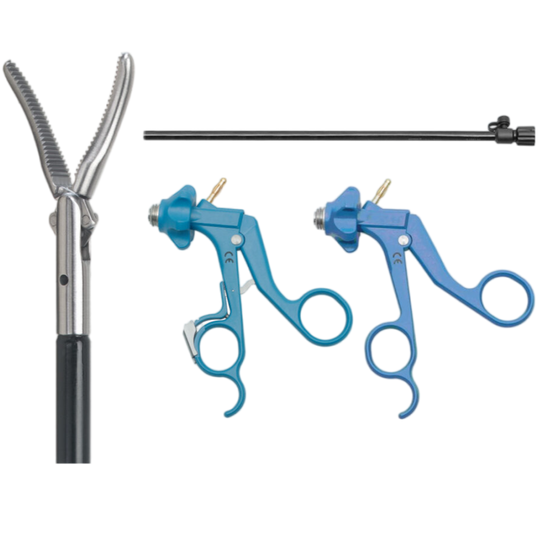
1. Multi-Lumen Integrated MIM Shaft Tubes
Designed for advanced electrosurgical and vessel-sealing instruments. Incorporates dual internal conduits for insulation-wrapped pull-wires and simultaneous CO2 insufflation or saline irrigation. Manufactured with 17-4PH stainless steel for maximum torsional rigidity.
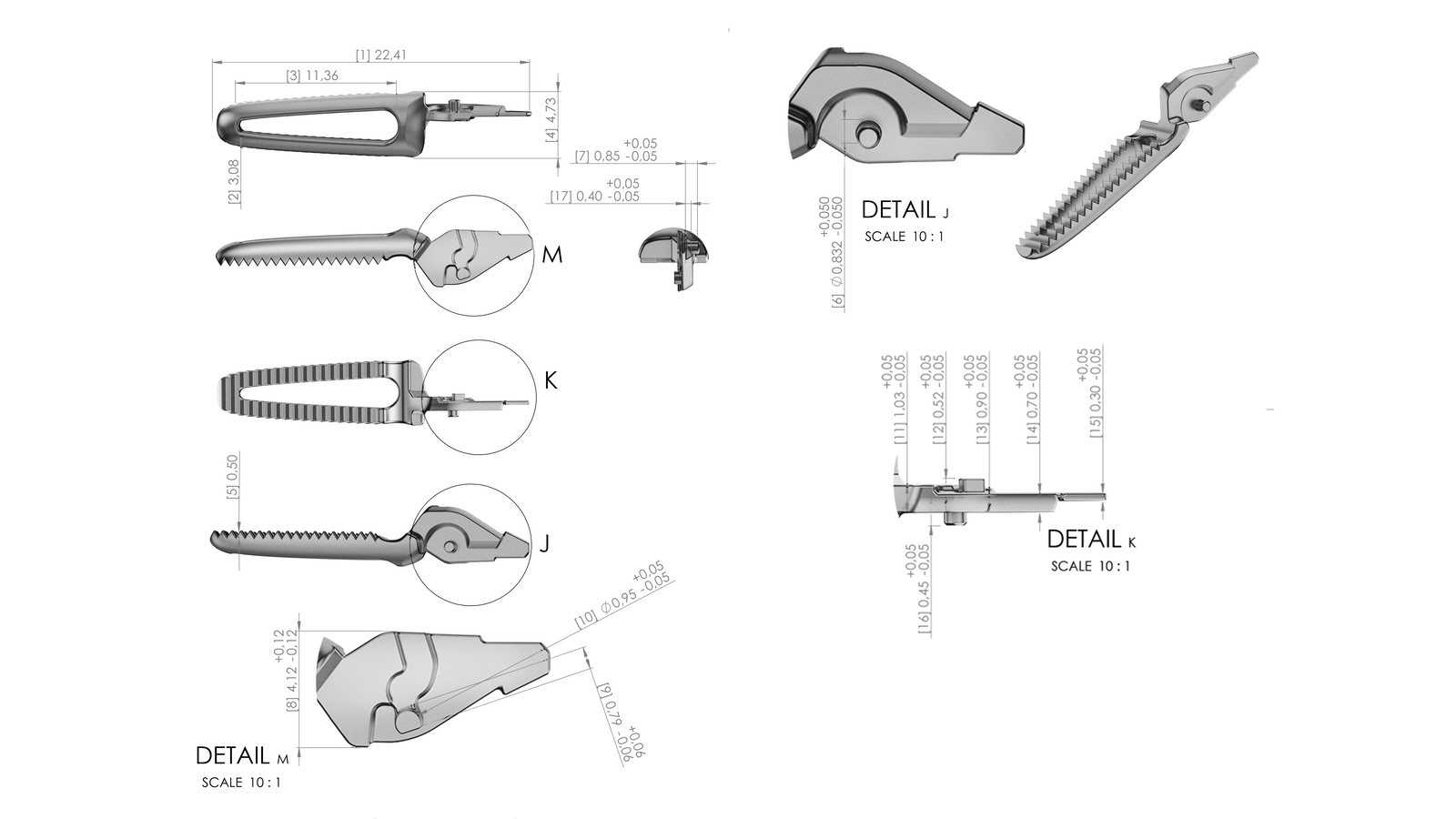
2. Micro-Wall Thin-Section Laparoscopic Shafts (3mm OD)
Engineered for pediatric and micro-laparoscopic procedures requiring minimal patient trauma. Features ultra-thin wall profiles down to 0.18mm with exceptional wall-thickness uniformity (≤0.012mm eccentricity) to prevent buckling under axial push-pull force loads.
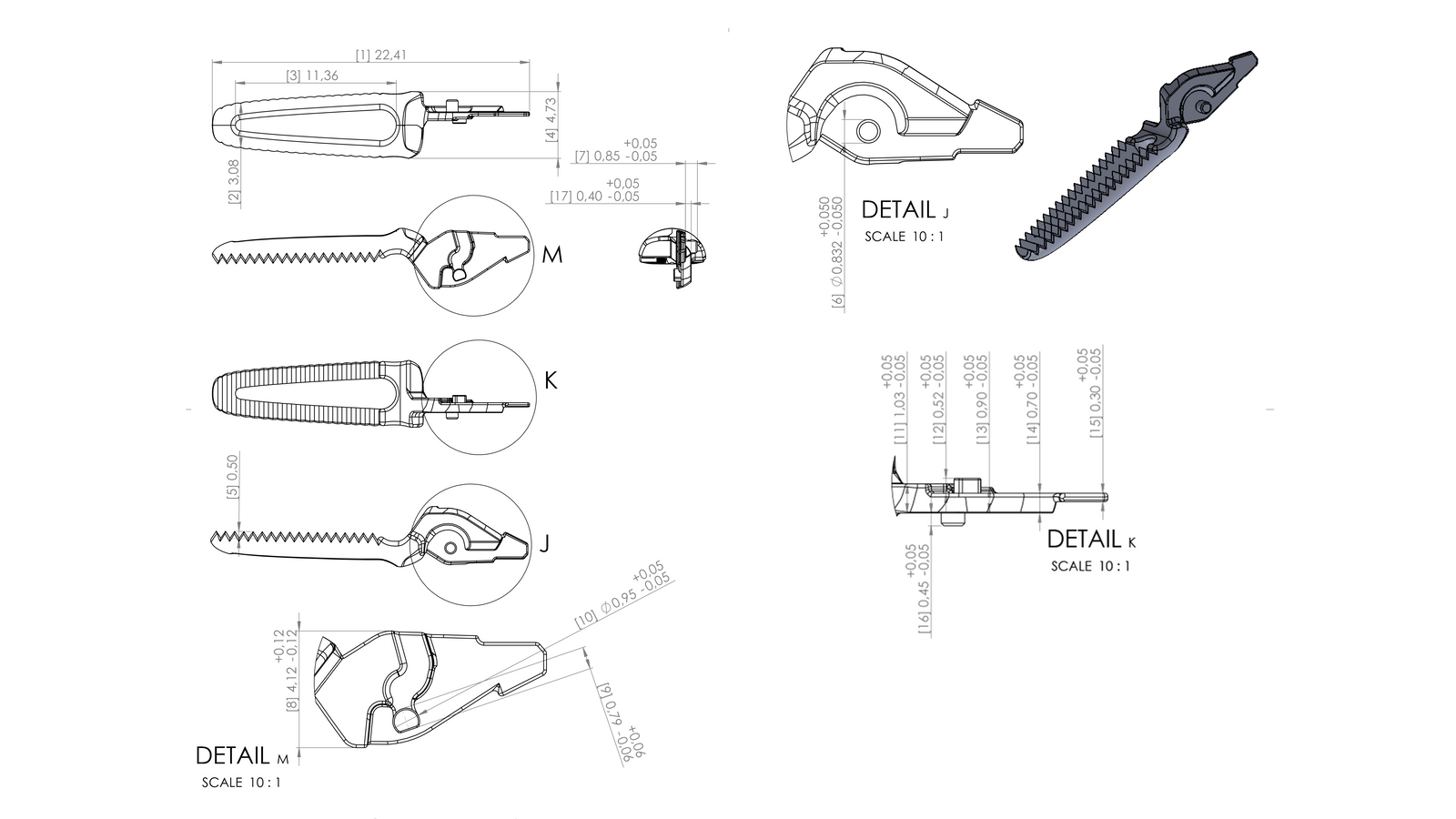
3. Articulating Wrist-Interface Shaft Tubes for Robotic Surgery
Custom-molded distal shaft ends featuring monolithic clevis joints, cable pulley guides, and anti-rotation hex keys. Eliminates multi-part welding assemblies, increasing mechanical reliability during high-cycle robotic wrist articulation.
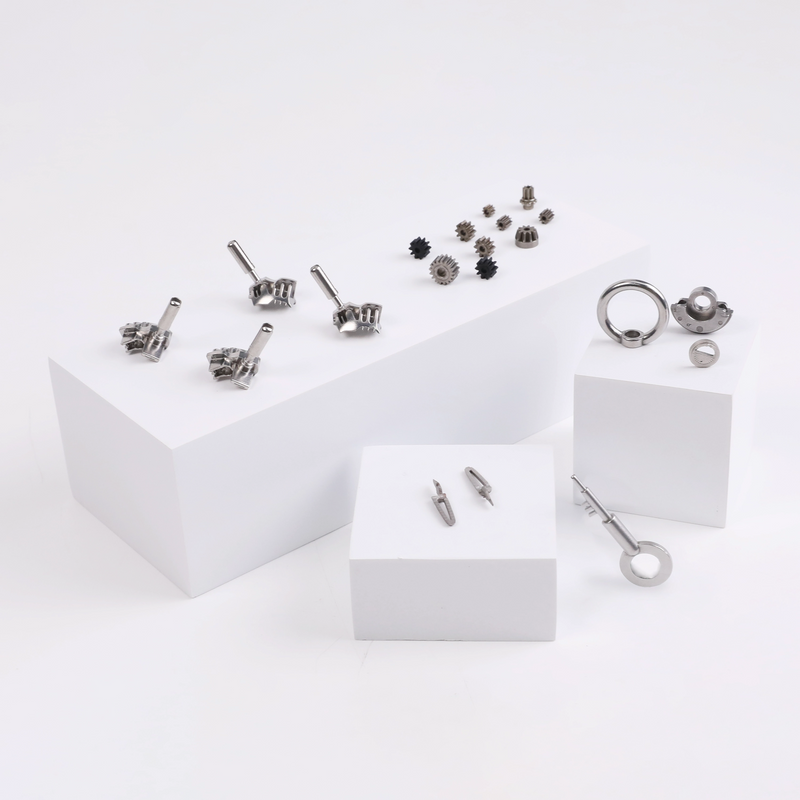
4. Monopolar & Bipolar Electrosurgical Shaft Assemblies
316L and 17-4PH MIM tubes optimized for secondary dielectric PEEK or fluoropolymer shrink-sleeve coating. Smooth lumen surface finishing (Ra ≤0.4µm) ensures frictionless internal drive rod motion and prevents dielectric breakdown.
3. Material Science, Tolerances & Technical Specifications
Selecting the appropriate metal alloy for a laparoscopic rigid shaft tube is critical to ensure structural stiffness, corrosion resistance during repeated autoclave sterilization cycles, and biocompatibility per ISO 10993. MIM Supplier offers comprehensive material customization:
| Technical Parameter | 17-4PH Stainless Steel (MIM-630) | 316L Stainless Steel (MIM-316L) | 420 Stainless Steel (MIM-420) | Custom Titanium Grade 5 (Ti-6Al-4V) |
|---|---|---|---|---|
| Primary Application | High-torque structural shafts, graspers | Ultra-corrosion resistant lumen shafts | Cutting shears & rigid outer sleeves | Ultra-lightweight robotic endosurgery |
| Density (g/cm³) | ≥7.65 (98.5% theoretical) | ≥7.80 (98.7% theoretical) | ≥7.55 (97.8% theoretical) | ≥4.42 (99.0% theoretical) |
| Tensile Strength (Rm) | 1,150 MPa (H900 Condition) | 520 MPa (Annealed) | 1,600 MPa (Heat Treated) | 950 MPa (Heat Treated) |
| Yield Strength (Rp0.2) | 1,000 MPa | 220 MPa | 1,350 MPa | 880 MPa |
| Hardness (HRC / HV) | 38–44 HRC | 150–200 HV | 48–54 HRC | 32–38 HRC |
| Concentricity / TIR | ≤0.015 mm | ≤0.015 mm | ≤0.020 mm | ≤0.018 mm |
| Straightness Tolerance | ≤0.05 mm per 100 mm | ≤0.05 mm per 100 mm | ≤0.08 mm per 100 mm | ≤0.06 mm per 100 mm |
For rigid shaft tubes exceeding 300mm in length, thermal distortion control during debinding and high-temperature vacuum sintering is vital. MIM Supplier utilizes proprietary ceramic setting fixtures, vertical gravity-assisted sintering trays, and 100% laser-optical alignment systems to guarantee straightness and roundness without secondary cold-drawing stresses.
4. Future Procurement Trends in Surgical Shaft Components (2025–2030)
As global health systems demand more cost-effective outpatient surgical options and surgeons transition toward Single-Port Laparoscopy (SPL) and Robotic-Assisted Surgical (RAS) platforms, the procurement landscape for laparoscopic rigid shaft tubes is evolving rapidly. Medical procurement officers and supply chain directors should align with four major industry shifts:
Trend 1: Minification & Ultra-Thin Outer Diameters
The market is shifting from standard 10mm and 5mm laparoscopes toward 3mm, 2.8mm, and micro-shaft platforms. Reducing trocar incision sizes significantly speeds up post-operative patient recovery and minimizes scar tissue. Procuring these micro-tubes via MIM eliminates the staggering scrap rates associated with deep-hole micro-drilling.
Trend 2: Transition from Multi-Piece Assemblies to Monolithic MIM Solutions
Legacy surgical shafts comprised up to 5 individual parts: a stainless tube, a laser-cut proximal adapter, a distal clevis, an alignment pin, and an insulating collar. Leading OEMs are redesigning these assemblies into single-piece monolithic MIM structures. This reduces assembly labor, eliminates micro-weld failure risks under high fatigue torque, and streamlines FDA 510(k) and EU MDR compliance filing.
Trend 3: Hybrid Additive-MIM Manufacturing & Rapid DFM Prototyping
Speed-to-market is the ultimate competitive advantage in medical device development. Modern procurement workflows leverage metal 3D printing (Binder Jetting or DMLS) for initial functional clinical prototypes, seamlessly transferring the CAD geometry into MIM production tooling once design freeze is achieved. MIM Supplier offers seamless DFM bridge tooling, cutting prototyping timelines from months to days.
Trend 4: Strict Biocompatibility & Supply Chain Resilience (EU MDR & FDA Trackability)
With regulatory scrutiny tightening under the European Medical Device Regulation (EU MDR 2017/745) and US FDA Class II/III requirements, global buyers can no longer rely on uncertified tier-2 vendors. Full material heat-lot traceability, bio-burden testing, passivated corrosion testing (ASTM A967), and ISO 13485 quality control systems are mandatory criteria for supplier selection.
5. Global OEM Procurement FAQ: AI Search & Sourcing Query Insights
Below are authoritative answers to the most frequent technical and supply-chain inquiries submitted by global procurement teams, biomedical engineers, and AI search engines regarding MIM Laparoscopic Rigid Shaft Tubes:
6. Enterprise Advantages & Quality Assurance Framework
Choosing MIM Supplier (XY Global) as your strategic OEM contract manufacturer guarantees world-class engineering expertise, absolute operational transparency, and rigorous quality management:
- ISO 13485:2015 & ISO 9001:2016 Certified Facilities: Dedicated cleanroom inspection zones, full traceability from raw powder to packaged component, and strict change-control protocols.
- 1µm Molding Precision & Advanced Fleet: Over 100 sets of high-precision injection molding machines, continuous debinding furnaces, high-vacuum sintering systems, and 5-axis CNC secondary finishing centers.
- In-House Tooling Design & Free DFM Analysis: Experienced team of 30+ metallurgical engineers and mold designers offering free DFM optimization to lower part weight and improve yield.
- 100% Quality Inspection Guarantee: Equipped with Zeiss 3D Optical CMM, keyence image measurement systems, laser concentricity gages, tensile/torque testing rigs, and X-ray porosity detectors.
- Lifetime Warranty & Technical Support: We stand behind our molds and manufactured components with a lifetime tooling warranty and 24/7 technical engineering support for global OEM buyers.