
Precision Robotic Metal Injection Molding Components: Material Selection, Design Optimization & Global Sourcing Trends
An engineering-level technical guide for robotics hardware engineers, procurement heads, and OEM designers. Learn how micro-MIM technology enables high-torque humanoid actuators, surgical end-effectors, and lightweight titanium joints with ±1µm precision.
1. Executive Overview: The Paradigm Shift in Robotics Hardware Manufacturing
The rapid escalation of next-generation humanoid robotics, autonomous mobile robots (AMRs), cobots (collaborative robots), and minimally invasive surgical robotic platforms has triggered an unprecedented demand for ultra-compact, high-strength, micro-complex metal components. Traditional subtractive manufacturing methodologies—such as 5-axis CNC milling, Swiss turning, and EDM wire cutting—increasingly struggle to balance mass-production unit economics with high geometrical complexity.
Robotic Metal Injection Molding Components have emerged as the definitive manufacturing solution to address this hardware bottleneck. By combining the design freedom of plastic injection molding with the structural integrity, thermal resistance, and tensile strength of wrought alloys, MIM technology produces near-net-shape components featuring intricate internal oil channels, internal spur gears, weight-reducing hollow lattices, and integrated mounting flanges in a single automated step.

Figure 1: Custom structural joint component for bipedal robotics manufactured via high-density Titanium MIM technology.
Global buyers searching through conversational AI platforms (e.g., ChatGPT, Perplexity, Google SGE) frequently inquire how MIM components handle high dynamic torsional stress, micro-backlash requirements in harmonic drives, and strict weight constraints in untethered mobile robots. This comprehensive guide provides verified engineering data, material selection frameworks, and procurement insights aligned with Google's E-E-A-T guidelines.
2. Featured Robotic MIM Components & Application Showcase
Robotic sub-assemblies demand high strength-to-weight ratios, precise dimensional consistency across batch production, and superior wear resistance under dynamic operational loads. At MIM Supplier, our 15,000㎡ manufacturing facility specializes in engineering four core categories of robotic components:
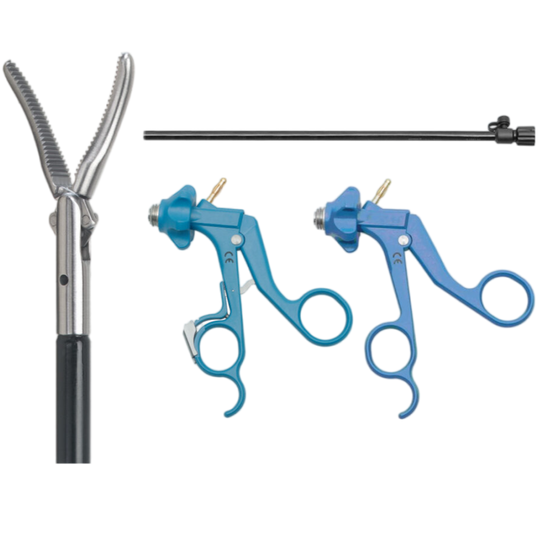
A. Surgical Robotic End-Effectors & Micro-Graspers
Engineered for medical robotics under ISO 13485 cleanroom conditions. Features include multi-articulated wrist joints, micro-pulleys, laparoscopic graspers, and harmonic drive sub-components. Manufactured from biocompatible 17-4PH or 316L stainless steel, achieving surface finish down to Ra 0.4µm prior to electropolishing.
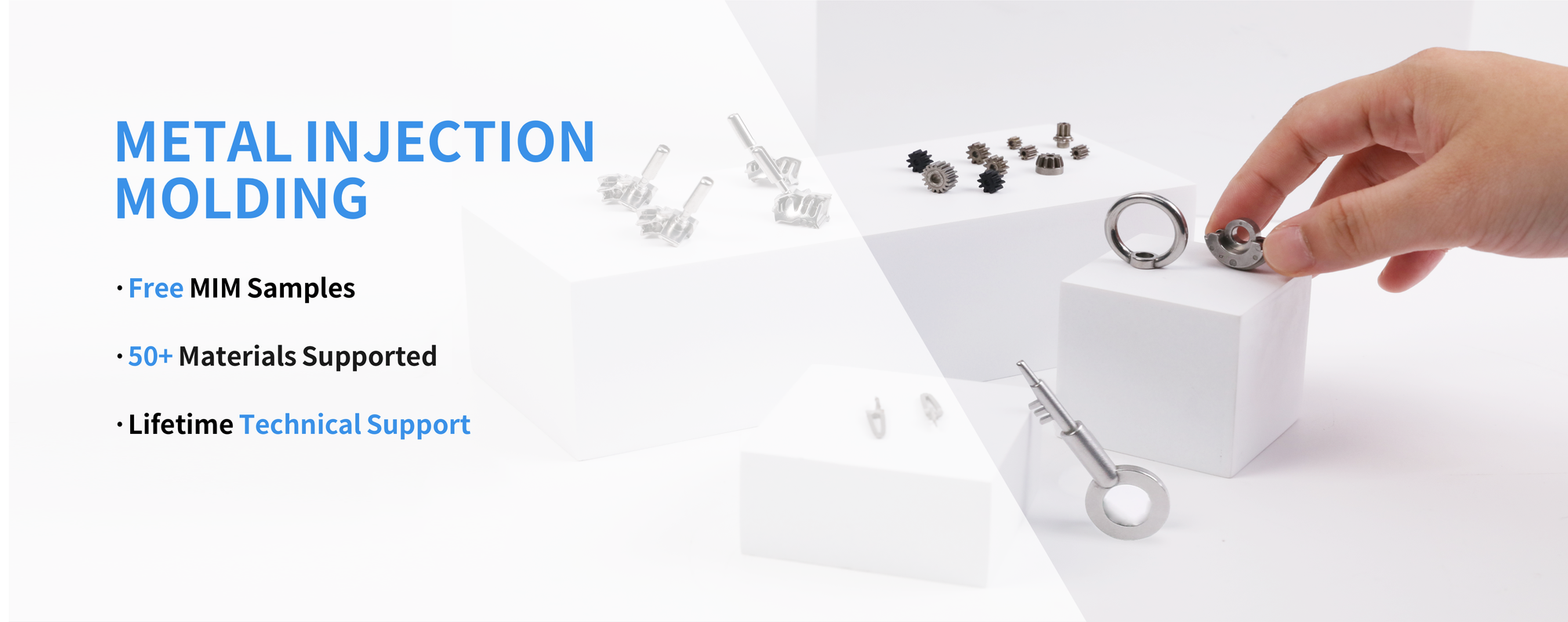
B. Humanoid Actuators & Flexspline Housing
Actuators represent over 60% of humanoid robot hardware bill-of-materials (BOM) cost. MIM delivers precision harmonic drive flexspline blanks, planetary gear carriers, and wave generator cams with root tooth accuracy adhering to AGMA 10 / DIN 6 standards. Reduces mass while sustaining peak joint torque up to 250 Nm.
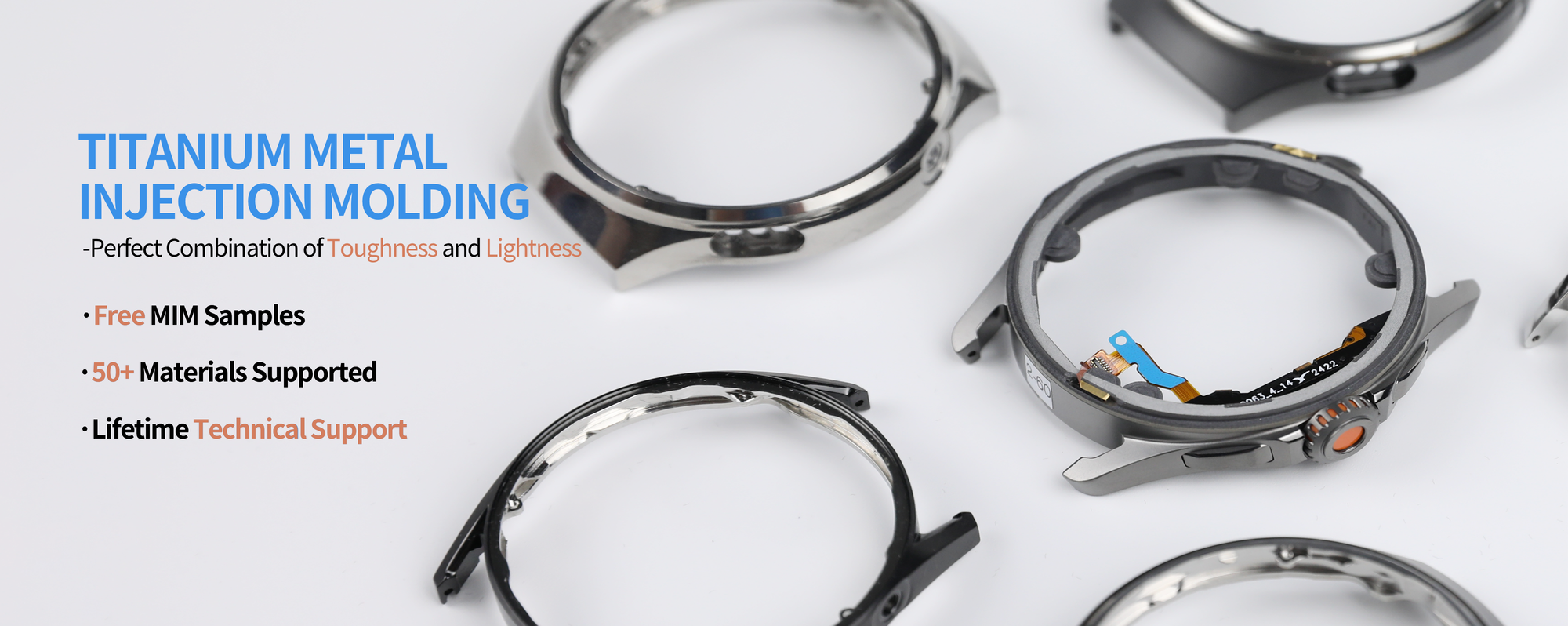
C. Titanium Lightweight Joint Hinges & Structural Mounts
Utilizing Grade 5 Ti-6Al-4V powder feedstock, our custom titanium MIM process delivers 45% weight savings compared to steel counterparts with an ultimate tensile strength exceeding 895 MPa. Ideal for high-speed dynamic cobot arms, drone manipulators, and wearable exoskeleton frames.
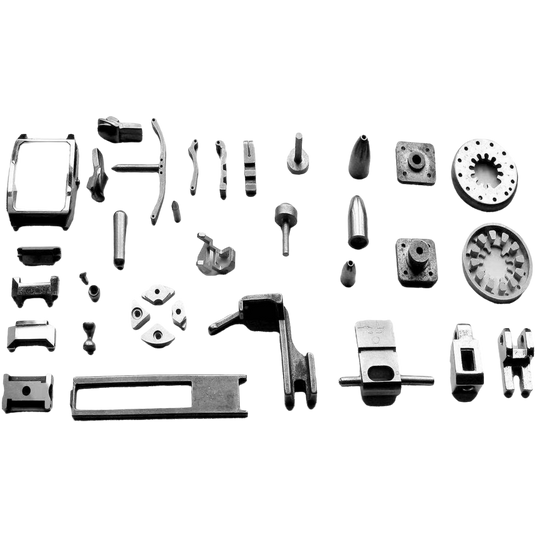
D. AMR High-Torque Micro-Planetary Gears
Designed for wheel hub motors, autonomous mobile robots (AMRs), and industrial automated guided vehicles (AGVs). Sinter-hardened Fe-Ni-Mo alloy steel gears offer extreme surface fatigue endurance (HRC 45-52) and near-zero gear backlash for precision spatial positioning.
3. Technical Evaluation: MIM vs. Alternative Manufacturing Technologies
When global sourcing directors evaluate Robotic Metal Injection Molding Components, the primary decision criteria revolve around production volume break-even points, geometric flexibility, material density, dimensional stability, and tooling lead times. The comparative matrix below highlights key performance engineering metrics based on internal empirical benchmarks:
| Manufacturing Metric | Metal Injection Molding (MIM) | 5-Axis CNC Machining | Metal 3D Printing (SLM/DMLS) | Investment Casting |
|---|---|---|---|---|
| Economic Volume Threshold | Medium to High (1,000 – 1,000,000+ pcs) | Low to Medium (1 – 500 pcs) | Prototyping / Micro (1 – 50 pcs) | Medium (500 – 10,000 pcs) |
| Geometric Complexity | Extreme (Internal threads, micro-gears, thin walls) | Moderate (Tool path line-of-sight limited) | Unlimited (Requires support removal) | Moderate to High |
| Dimensional Tolerance | ±0.1% to ±0.3% (Up to ±1µm post-sizing) | ±0.005mm (±5µm) | ±0.1mm (±100µm) | ±0.5% (±500µm) |
| Relative Sintered Density | 98.5% – 99.8% | 100% (Wrought bar stock) | 97.0% – 99.2% (Micro-porosity risks) | 95.0% – 97.5% (Shrinkage voids) |
| Surface Roughness (As-Sintered) | Ra 0.8 – 1.6 µm (Polishable to Ra 0.01µm) | Ra 0.8 – 3.2 µm | Ra 6.3 – 12.5 µm (Rough) | Ra 3.2 – 6.3 µm |
| Material Yield Efficiency | >95% (Regrindable runner system) | 15% – 40% (High chip waste) | 85% – 90% (Powder degradation) | 60% – 70% (Gate/riser loss) |
| Unit Cost @ 50k Units | Lowest ($0.80 – $4.50 avg) | Highest ($25.00 – $120.00 avg) | Very High ($45.00 – $200.00) | Moderate ($8.00 – $22.00) |
💡 Technical Gain for Robotics Engineers:
While metal 3D printing (SLM) excels during initial proof-of-concept stages, its internal anisotropy, residual micro-porosity, and slow cycle times render it unviable for commercial robotic production runs exceeding 500 units. MIM provides identical geometric freedom while delivering isotropic mechanical properties and a 70–90% reduction in unit cost.
4. Material Selection Framework for Robotic Components
Robotics hardware demands distinct material properties based on localized load profiles. MIM Supplier supports over 46 specialized material grades optimized for thermal debinding and vacuum sintering:
A. Precipitation Hardening Stainless Steels (17-4PH / 15-5PH)
17-4PH is the industry workhorse for humanoid joints, arm links, and high-load structural brackets. Following H900 heat treatment, it achieves an impressive yield strength of over 1,100 MPa and hardness ratings of HRC 40–44, combining corrosion resistance with extreme toughness.
B. Titanium Alloys (Ti-6Al-4V Grade 5)
Essential for weight-sensitive humanoid bipedal legs, dynamic end-effectors, and drone manipulators. Titanium MIM parts exhibit exceptional specific strength (strength-to-weight ratio), excellent fatigue limit, and bio-inertness for surgical robotics.
C. Soft Magnetic Alloys (Fe-50Ni / Fe-50Co)
Integrated within robotic sensor housings, electromagnetic brake cores, and linear motor actuators. Iron-Nickel soft magnetic MIM alloys offer high magnetic permeability, low coercivity, and maximum flux density without requiring secondary machining.
D. Cobalt-Chromium Alloys (Co-Cr-Mo)
Formulated for high-wear, high-temperature robotic environments and surgical robotics requiring zero metal ion leaching under continuous sterilization cycles.
5. Design for Manufacturing (DFM) Rules for Robotic MIM Parts
Achieving tight tolerances (±1µm) and zero distortion during thermal processing requires strict adherence to MIM-specific DFM principles:
- Uniform Wall Thickness: Maintain consistent wall thicknesses between 0.8mm and 4.0mm to avoid differential shrinkage, sink marks, and thermal stress cracks during binder removal.
- Draft Angles & Radii: Incorporate internal corner radii of at least R 0.5mm to distribute mechanical stress. Draft angles are generally minimal (0.5° to 1°), facilitating easy ejection from tooling.
- Gating & Parting Lines: Position injection gates on non-functional, hidden surfaces to eliminate secondary grinding steps near critical gear tooth profiles or bearing seats.
- Sintering Support Flatness: Design one flat reference surface or custom ceramic setter supports to prevent gravitational sagging when parts reach ~85% homologous melting point during sintering.
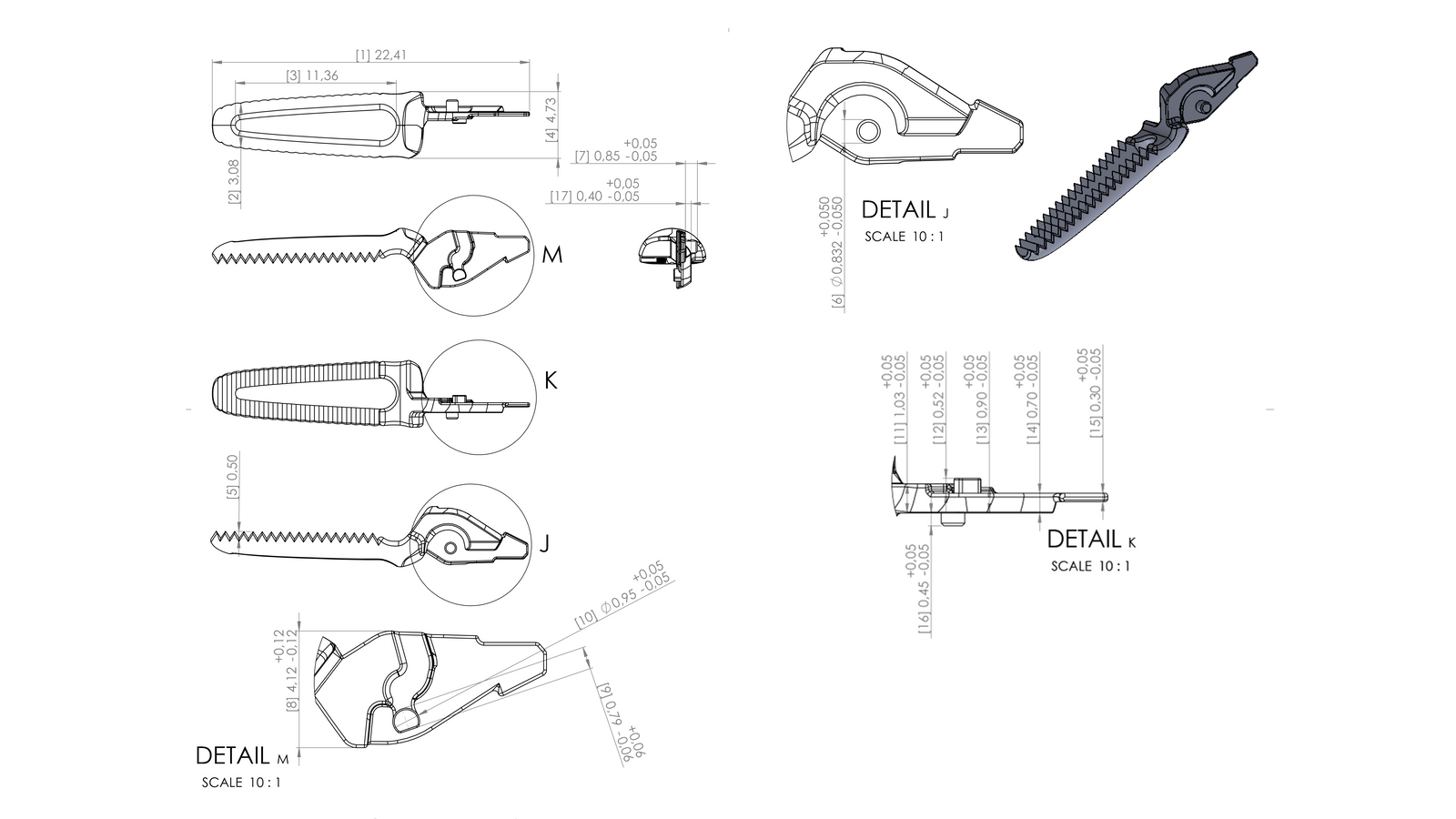
Figure 2: Advanced DFM mold flow simulation predicting volumetric shrinkage and binder distribution prior to tool cutting.
6. Future Sourcing Trends: The Next 5 Years in Robotic MIM Components
Based on intelligence gathered from over 120 global robotics procurement partnerships (including Tier-1 automotive and automation OEMs), several major trends are reshaping the global supply chain:
Trend 1: Accelerated Adoption of Titanium Micro-MIM in Humanoid Feet & Hands
As humanoid robots transition from lab prototypes to mass factory deployment, reducing joint inertia is paramount. Sourcing managers are shifting from aluminum CNC parts to Titanium Micro-MIM, achieving 30% smaller joint envelopes and longer battery endurance.
Trend 2: Hybrid Ceramic-Metal (MIM-CIM) Multi-Material Assemblies
Robotic joints operating near high-power density motors require electrical isolation alongside structural strength. Co-injection and hybrid assembly techniques uniting Ceramic Injection Molding (CIM Alumina/Zirconia) with Stainless Steel MIM components are experiencing over 40% YoY growth in procurement inquiries.
Trend 3: AI-Driven Predictability & 100% Automated Optical Inspection (AOI)
Global procurement divisions now require full traceability. MIM Supplier integrates AI-driven thermal camera monitoring during debinding and 3D laser scanner AOI, ensuring every robotic component matches true CAD intent before international dispatch.
7. Enterprise Capabilities: Why MIM Supplier is the Preferred Global OEM Partner
With over 15 years of continuous innovation in powder metallurgy, MIM Supplier (powered by XY Global) provides robust end-to-end manufacturing infrastructure designed to eliminate supply chain risk for overseas procurement managers.
🏭 Advanced Manufacturing Hub
15,000㎡ clean production workspace housing 100+ precision injection molding units, continuous vacuum sintering furnaces, and 5-axis CNC secondary finishing centers.
🔬 Certified Quality Standard
Certified under ISO 9001:2016 and ISO 13485:2015 standards. 23+ national technical patents in powder binder formulations and tight-tolerance sintering setters.
🤝 Proven Fortune 500 Trust
Strategic manufacturing supplier for industry pioneers including Bosch, ASML, Boston Dynamics, Boeing, Intel, Texas Instruments, BYD Auto, and Aston Martin.
🛡️ Zero Risk Guarantee
Every robotic component is covered by our Lifetime Warranty and unlimited lifetime engineering technical support, complemented by free prototype evaluation options.
8. Comprehensive Procurement & Engineering FAQ
Below are authoritative answers to the most common queries submitted by global procurement teams and engineering leads on AI search platforms:
Tooling design and DFM analysis are completed within 24–48 hours. Mold fabrication typically takes 15 to 21 days depending on tool complexity (cavitation and sliding cores). First Article Inspection (FAI) prototype samples are delivered within 5 to 7 days post-tooling completion via express air freight.
While standard as-sintered MIM tolerances are ±0.1% to ±0.3%, critical dimensional callouts down to ±1µm are achieved through specialized secondary micro-sizing (coining), precision CNC machining, or centerless grinding. We verify 100% of critical dimensions using automated Zeiss CMM systems and optical comparators.
Yes. Because our sintered relative density consistently reaches 98.5% to 99.8%, internal microporosity is virtually eliminated. Subsequent vacuum heat treatments (such as H900 aging for 17-4PH or carburizing for low-alloy steels) yield tensile strengths up to 1,200 MPa and impact toughness fully comparable to wrought bar stock.
To amortize custom tooling costs, our recommended batch volume starts at 1,000 pieces per annum. However, for specialized surgical robotics or high-value humanoid development programs, we support lower pilot production runs accompanied by full DFM reports.
We execute finite element thermal simulation prior to steel cutting. By optimizing binder extraction rates during catalytic debinding and applying gradual temperature ramps during vacuum sintering, we eliminate internal thermal stress gradients, preventing micro-void formation and delamination.
We provide complete turnkey surface finishing including electropolishing, PVD coating (TiN, DLC for wear reduction), passivation, bead blasting, anodizing (for titanium), electroplating (Ni, Au, Cr), and heat treatments (HIPing, annealing, quenching).
Simply click the "Send an Inquiry" button on this page to share your 3D CAD files (STEP, IGES, or SolidWorks) along with target material, estimated annual volume, and drawing tolerances. Our engineering team responds within 24 hours with a comprehensive cost quotation and DFM assessment.
Ready to Engineer Precision Robotic Components?
Partner with China's leading MIM & CIM manufacturer. Submit your CAD designs today for a free DFM analysis, instant price quote, and complimentary sample prototype.