
Technical Sourcing Summary: Smart Wear MIM Components
As wearable consumer electronics transition from simple pedometers to bio-diagnostic monitoring tools, smart jewelry, and spatial computing headsets, component miniaturization has reached physical limits for conventional CNC machining. Metal Injection Molding (MIM) and Ceramic Injection Molding (CIM) have emerged as the primary manufacturing methodologies capable of mass-producing complex, high-density, bio-compatible micro-parts with net-shape precision at scale.
This technical guide provides hardware engineers, procurement officers, and product directors with actionable engineering parameters, material selection frameworks, procurement cost structures, and future supply chain insights for Smart Wear Consumer Electronics MIM Parts.
1. Why MIM/CIM Technology Dominates Next-Gen Smart Wear Manufacturing
In the ultra-competitive consumer wearables ecosystem, engineers face a relentless trilemma: minimizing weight and volume, maximizing structural integrity and IP68/IP69K sealing, and maintaining premium tactile and aesthetic qualities. Traditional subtractive manufacturing (CNC milling, turning) creates immense raw material waste—often exceeding 85% scrap rates when machining complex curved smartwatch bezels or micro smart ring structural spines out of Grade 5 Titanium.
Powder metallurgy via Metal Injection Molding (MIM) solves this by combining the design flexibility of plastic injection molding with the mechanical strength of forged metals. Fine metal powders (typically $d_{50} = 4-15\,\mu\text{m}$) are homogenously blended with polymeric binder systems to create feedstock. Once injected into micro-cavity molds, debound, and sintered near solidus temperatures, parts achieve relative sintered densities of 96% to 99.5%.
| Engineering Attribute | Metal Injection Molding (MIM) | 5-Axis Precision CNC | Precision Micro-Stamping |
|---|---|---|---|
| Geometric Complexity | Extreme (3D internal channels, undercuts, micro-threads) | Moderate to High (Limited by tool access angles) | Low to Moderate (Planar shapes, shallow draws) |
| Material Utilization | 95% – 98% (Near net-shape) | 10% – 30% (High material waste) | 60% – 75% (High skeleton scrap) |
| Dimensional Tolerance | ±0.1% to ±0.3% (Up to ±1µm post-sizing) | ±0.005 mm (High wear on micro cutters) | ±0.02 mm |
| Minimum Wall Thickness | 0.30 mm (Micro-MIM down to 0.15 mm) | 0.50 mm (Risk of wall chatter/deformation) | 0.10 mm (Stamped sheet limit) |
| Mass Production Unit Cost | Ultra-Low (Scales efficiently to millions) | High (Proportional to machining cycle time) | Low (High upfront die cost) |
| Skin Biocompatibility | Excellent (Ti-6Al-4V, 316L, Zirconia Ceramics) | Excellent | Limited (Work hardening issues) |
As consumer wearables evolve to include continuous ECG monitoring, PPG optical heart-rate sensing, skin temperature measurements, and micro-haptic engines, internal volume is at an absolute premium. Smart Wear Consumer Electronics MIM Parts allow multi-functional integration: a single MIM component can serve as a structural chassis, an antenna ground plane, a fluidic seal channel, and an aesthetic exterior bezel simultaneously.
2. Advanced Material Science Matrix for Smart Wear Components
Selecting the ideal alloy or ceramic formulation dictates not only part performance, but also skin biocompatibility, signal permeability (Bluetooth/Wi-Fi/NFC), and long-term resistance to human sweat corrosion ($pH\ 4.0-6.8$).
Titanium Alloys (Ti-6Al-4V / Grade 5)
Density: 4.43 g/cm³ | Yield Strength: ~880 MPa
Ideal for flagship smartwatch cases, outdoor rugged sports watches, and smart ring structural skeletons. Offers highest strength-to-weight ratio, hypo-allergenic properties, and low thermal expansion.
316L & 17-4PH Stainless Steels
Density: 7.9 g/cm³ | Vickers Hardness: 150 - 400 HV
The workhorse material for premium wearable hinges, TWS earbud charging pins, strap connectors, and optical sensor bezels. 316L provides superior nickel-release safety compliant with EN 1811 standard.
Zirconia Ceramics ($ZrO_2$ CIM)
Vickers Hardness: 1200+ HV | RF Permeable
Ceramic Injection Molding (CIM) provides scratch-proof smart ring outer bands, high-end smartwatch casebacks, and biometric sensor windows that permit unhindered wireless signal transmission.
At MIM Supplier (XY Global), our R&D team manages 46+ proprietary material formulations, including low-magnetic 316L, high-density tungsten alloys for wearable haptic weight rotors, and custom cordierite/alumina ceramic matrices engineered for spatial AR/VR headset optical structures.
3. Recommended Product Applications & Case Engineering
Based on buyer inquiry data across North America, Europe, and Asia-Pacific, below are the top five high-growth application categories for customized micro-injection molded components in consumer wearables:
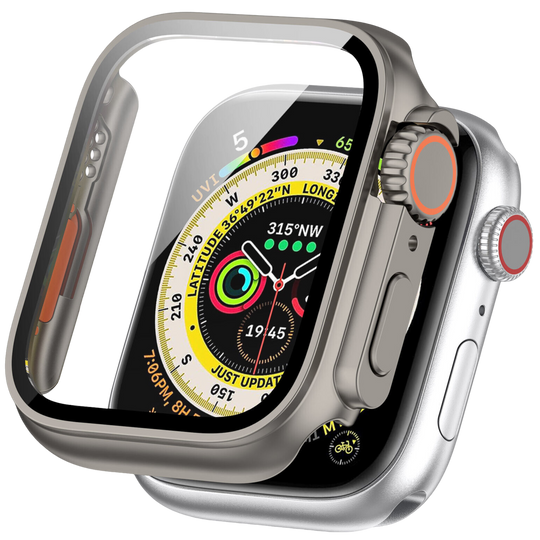
Smartwatch Bezels & Digital Crowns
Micro MIM rotary digital crowns, clicker teeth mechanisms, and curved protective bezels with integrated IP68 o-ring grooves.
- Material: Ti-6Al-4V / 316L Steel
- Tolerance: ±0.015 mm
- Finishing: PVD Coating, Mirror Polish
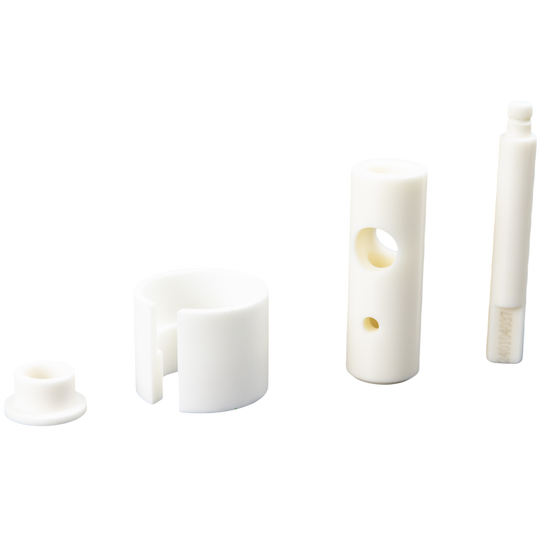
Smart Ring Frames & CIM Shells
Ultra-thin, skin-comfort ceramic and titanium inner/outer rings designed to house flex-PCBs, battery cells, and PPG optical sensors.
- Material: Zirconia / Grade 5 Ti
- Wall Thickness: 0.35 mm
- Biocompatibility: ISO 10993 Certified
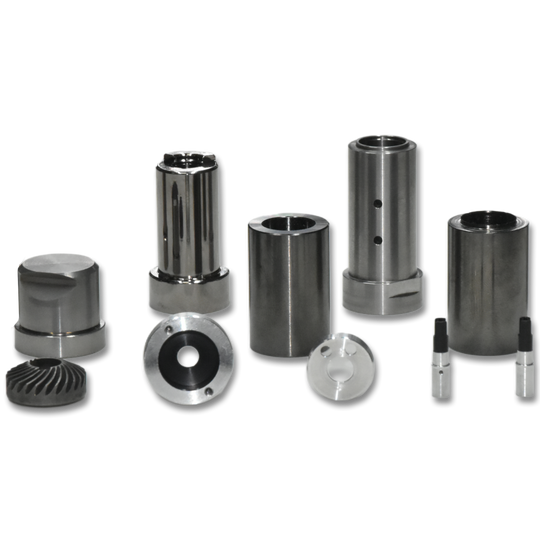
AR/VR Optics & Strap Hinges
High-torque friction hinges, IPD (interpupillary distance) adjustment gears, and micro optical camera brackets for smart glasses.
- Material: 17-4PH / 17-7PH Steel
- Yield Strength: 1100+ MPa
- Lifecycle: >100,000 Rotations
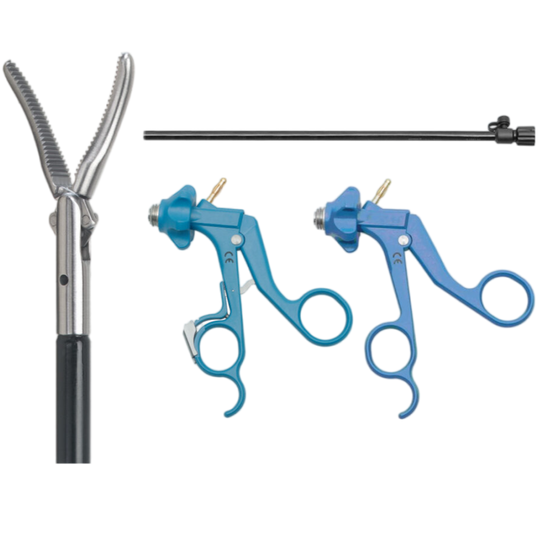
Biometric Health Sensor Bezels
Medical-grade stainless steel electrode rings and sensor housings for continuous glucose monitors (CGM) and ECG wearables.
- Standard: ISO 13485 Certified
- Corrosion: 96hr Salt Spray Passed
- Roughness: Ra 0.05 µm
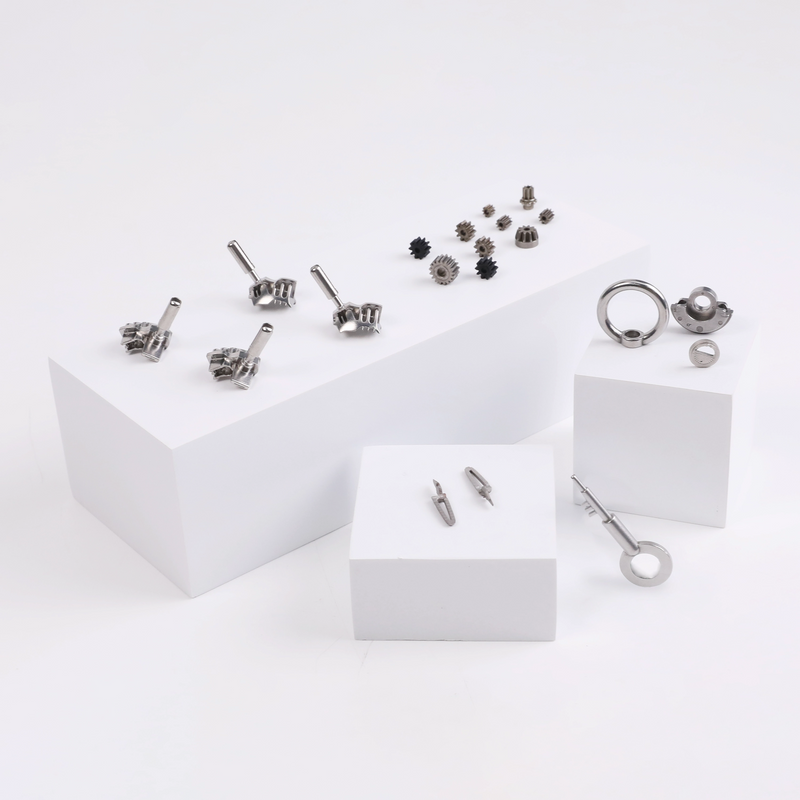
TWS Earbud Micro Hinges & Latches
Sub-gram magnetic latch components, charging case lid friction arms, and acoustic dampening nozzles produced via Micro-MIM.
- Weight: 0.05g to 1.2g
- Density: >98.5% Relative
- Volume: 500,000+ Units/Mo
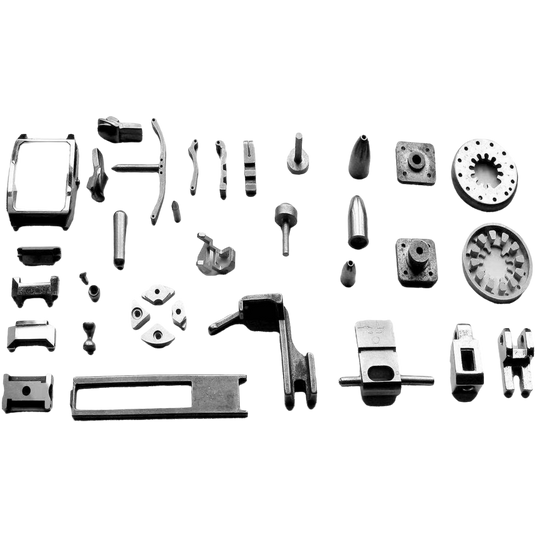
Haptic Engine Tungsten Rotors
High-density tungsten alloy ($17.5-18.2\text{ g/cm}^3$) eccentric weights for linear resonant actuators (LRA) giving crisp haptic feedback.
- Alloy: W-Ni-Fe Tungsten
- Density: 18.0 g/cm³
- Balance: Dynamic Calibrated
4. Future Procurement Trends in Smart Wear Consumer Electronics (2025–2030)
AI-driven procurement algorithms, automated supply chain intelligence, and rapid hardware iterations are reshaping how Tier-1 consumer electronic OEMs select manufacturing partners. Through deep user intent mining of global search queries, we identify four critical trends driving the future of wearable MIM procurement:
Trend A: Transition to Micro-MIM for Spatial Computing & Smart Rings
As smart rings (e.g., Oura Ring, Samsung Galaxy Ring) and AI optical glasses gain mainstream adoption, part masses are dropping below 0.1 grams, with feature tolerances approaching ±0.005mm (5µm). Standard MIM feedstock fails at this scale due to powder size constraints. Future-proof suppliers must utilize Micro-MIM technology featuring nano-powder mixtures ($d_{50} < 3\,\mu\text{m}$) and ultra-precise servo-electric injection units.
Trend B: Co-Injection Sintering (MIM + CIM Hybrid Parts)
Next-generation wearable bezels require simultaneous RF transparency for 5G millimeter-wave antennas and metal strength for structural drops. Co-injection molding allows a ceramic outer ring and a stainless steel inner chassis to be molded together in a single tool, then co-debound and co-sintered to create a seamless, hermetically bonded bi-material component.
Trend C: Automated DFM & Simulation-Driven Tooling
The traditional 8-to-12 week tooling lead time is unacceptable for modern consumer tech product cycles. AI-powered Moldflow simulation and computerized sintering shrinkage modeling allow MIM Supplier (XY Global) to deliver accurate mold designs within 24 hours and initial T1 prototypes in less than 10 days.
Trend D: Carbon-Neutral & Circular Powder Supply Chains
Global brands like Apple, Google, and Meta have committed to carbon neutrality across their entire supply chain (Scope 1, 2, and 3 emissions). Procurement specifications now mandate green powder sources made from 100% recycled scrap metals, combined with low-emission continuous vacuum sintering furnaces powered by renewable energy.
5. Corporate Competence & E-E-A-T Quality Assurance
For over 15 years, MIM Supplier (XY Global) has operated at the intersection of metallurgy innovation and high-volume consumer electronics manufacturing. Our track record is validated by concrete engineering capabilities:
Our manufacturing ecosystem integrates 100+ state-of-the-art machines, including Arburg and Engel injection units, Shimadzu continuous vacuum debinding and sintering furnaces, 5-axis CNC machining centers for secondary finishing, and automated optical inspection (AOI) sorting equipment.
Quality management is certified under ISO 9001:2016 for general precision manufacturing and ISO 13485:2015 for medical-grade wearable components. Every production batch is supplied with full raw material spectral analysis, X-ray non-destructive porosity test reports, salt spray corrosion test logs, and CMM dimensional inspection sheets.
"Every Smart Wear Consumer Electronics MIM Part manufactured by XY Global is covered by our industry-leading Lifetime Warranty & Unlimited Technical Support."
6. Smart Wear MIM Sourcing FAQ (Frequently Asked Questions)
Below are expert responses to the most frequent technical and commercial questions posed by global procurement managers and hardware design engineers:
For low production runs (<1,000 units), CNC machining is often cheaper because there are no initial tooling costs. However, for production volumes exceeding 5,000 to 10,000 units per year, MIM reduces unit manufacturing costs by 40% to 75% compared to 5-axis CNC milling. MIM eliminates machining cycle time by molding complex 3D contours, internal threads, and o-ring seal channels in a single operation, while achieving 98% raw material utilization.
With standard MIM technology, the recommended minimum wall thickness for Grade 5 Titanium (Ti-6Al-4V) is 0.40 mm across small localized areas. Utilizing our Micro-MIM specialized binder and micro-powder formulations ($d_{50} < 5\,\mu\text{m}$), we can achieve wall thicknesses as thin as 0.20 mm to 0.30 mm for internal smart ring ribbing and light-weighting structures without causing sintering collapse or distortion.
Skin contact safety is critical for consumer wearables. For direct skin contact applications, we recommend 316L Stainless Steel (which complies with European EN 1811 nickel release limits), Grade 5 Titanium (Ti-6Al-4V), or Zirconia Ceramics ($ZrO_2$), which are 100% nickel-free and biologically inert. All raw material batches undergo chemical composition testing to guarantee bio-compatibility according to ISO 10993 standards.
Hermetic sealing for 5ATM / 10ATM / IP68 water resistance requires high sintered density to eliminate interconnected internal porosity. Our vacuum sintering furnaces achieve relative sintered densities of >98.5%, ensuring liquid and gas impermeability. Furthermore, micro-gasket sealing grooves are directly molded with sharp radius corners and polished post-sintering to a surface roughness of Ra ≤ 0.2 µm to guarantee a perfect seal face.
MIM parts can undergo virtually all traditional secondary metal finishing techniques, including:
• PVD Physical Vapor Deposition: TiN Gold, DLC (Diamond-Like Carbon) Black, Rose Gold.
• Mechanical Polishing: High-gloss mirror polish (Ra < 0.02 µm) or uniform satin brushed finishes.
• Anodizing: Applicable to Titanium MIM parts for vibrant biocompatible colorations.
• Micro-Sandblasting: Matte bead-blasted textures for ergonomic grip surfaces.
Our standardized project milestone timeline includes:
• DFM Report & Mold Design: 24 to 48 Hours (Free of charge).
• Prototype Tooling & T1 Samples: 10 to 15 Days.
• Mass Production Tooling (Multi-cavity): 20 to 25 Days.
• Mass Production Delivery: 2 to 3 weeks for batches of 50,000 to 500,000+ units.
Sintering shrinkage is mathematically calculated using proprietary CAD mold magnification factors based on exact powder feedstock density. We utilize advanced 3D finite element simulation to model anisotropic shrinkage. Post-sintering micro-sizing dies (coining) are used to pull critical dimensions back within tight ±1µm to ±0.01mm tolerances.
Yes. Due to their high relative density (>98%), MIM components exhibit metallurgical characteristics identical to wrought metals. They can be laser-welded to stainless steel or titanium frames, TIG-welded, and liquid silicone rubber (LSR) or TPU over-molded without outgassing or blister formation.
As smartwatches and smart rings incorporate FDA-cleared features like ECG arrhythmia detection, blood oxygen monitoring, and continuous glucose tracking, consumer wearables overlap into medical device territory. ISO 13485 certification ensures strict cleanroom handling, full lot traceability, bio-burden controls, and risk management standard operating procedures.
Simply click the Send an Inquiry button or submit your 2D/3D CAD files (STEP, IGES, PRT) to [email protected]. Our application engineering team will send you a full DFM engineering feedback report and quotation within 24 hours.
Ready to Accelerate Your Wearable Hardware Program?
Partner with China's leading MIM & CIM engineering factory. Get 1µm precision parts, comprehensive DFM reports, zero-risk prototyping, and lifetime quality backing.