
Blog
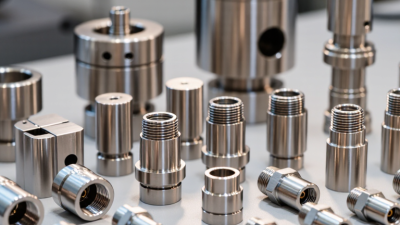
Top MIM Satellite Communication Parts Manufacturers
Satellite communication hardware depends on small components that must perform reliably through launch vibration, thermal cycling, and years of service. Metal injection molding (MIM) can produce intricate shapes in stainless steel and other suitable alloys, often with less machining than conventional routes. Yet a complex shape is not automatically a dependable part. Details matter.
A fair paraphrase of powder-metallurgy authority Randall M. German’s published work is: “Small components demand disciplined control at every stage.” That principle is useful when evaluating MIM Satellite Communication Parts manufacturers. Buyers should examine material selection, feedstock consistency, debinding and sintering controls, dimensional inspection, and lot traceability. For example, a waveguide interface or compact antenna bracket may look simple in a drawing, but small deviations can affect fit and assembly. Fit comes first.
This guide introduces manufacturers serving satellite communication applications and the capabilities worth checking before a supplier is shortlisted. Look for evidence of repeatable production, clear quality records, and experience with relevant geometries and alloys. Ask how critical dimensions are measured, how defects are handled, and whether prototypes follow the same controls as production parts. A polished sample alone proves little. Supplier claims still need verification, and public information may not reveal every process limitation. That is an imperfect starting point, but a useful one. Comparing manufacturing expertise alongside communication and quality practices can help engineers identify partners suited to demanding hardware programs.
Read more »
 By:Ethan
- October 30, 2026

2026 How to Source Cordierite Ceramic Injection Parts
In 2026, sourcing Cordierite Ceramic Injection Molding Components requires more than comparing unit prices. Buyers must evaluate powder purity, binder compatibility, mold design, firing behavior, and supplier traceability. Cordierite offers low thermal expansion and useful thermal-shock resistance. These properties support demanding applications, including sensor housings, kiln fixtures, and thermal-management parts.
Experience matters.
Randall M. German, a recognized authority on powder injection molding, has emphasized, “Process control determines whether a molded ceramic becomes a reliable component or a costly defect.” This principle remains highly relevant when selecting a cordierite supplier. Ask for representative samples, dimensional inspection records, debinding data, and fired-density results. A reliable manufacturer should explain shrinkage control clearly. Vague answers deserve caution.
Inspect the details.
A small edge crack may appear harmless during sampling. It can become a failure after repeated heating cycles. Request cross-sectional analysis when internal voids could affect performance. Review production experience with similar geometries, not only general ceramic capability. Confirm whether the supplier controls mixing, injection, debinding, sintering, and final inspection in documented stages.
Cost still matters. However, the cheapest quotation may hide higher scrap rates, unstable tolerances, or weak technical support. I would also question impressive claims without test conditions. That is an easy mistake. A strong sourcing decision combines verified evidence, practical communication, and realistic performance requirements. Cordierite Ceramic Injection Molding Components should be selected as engineered products, not anonymous catalog items.
Read more »
By:Ethan
- October 25, 2026
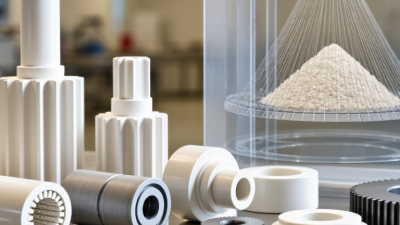
How to Choose Cold Isostatic Pressing Ceramic Parts
Choosing Cold Isostatic Pressing Ceramic Parts is rarely a simple material decision. It affects dimensional stability, strength, surface finish, machining cost, and service life. Grand View Research estimates that the global advanced ceramics market will continue expanding through 2030, driven by electronics, medical devices, energy systems, and industrial equipment. However, market figures vary because research firms define “advanced ceramics” differently. A neat percentage cannot replace application-specific testing.
Cold isostatic pressing, or CIP, applies fluid pressure evenly around ceramic powder inside a flexible mold. Industrial systems commonly operate near 100–400 MPa, depending on powder behavior, mold design, and required density. More uniform compaction can reduce internal voids and improve firing consistency. Still, CIP does not solve every problem. Poor powder granulation, uneven moisture, or careless demolding can create hidden defects.
The right selection begins with the working environment. Alumina may suit wear-resistant electrical components. Zirconia can provide higher fracture toughness for demanding mechanical parts. Silicon carbide is often considered for high-temperature and corrosive conditions. ISO 13356 provides a useful reference for yttria-stabilized zirconia used in surgical implants, while ASTM ceramic test methods help evaluate density, porosity, and strength. These standards support reliable comparison, but they are not substitutes for supplier audits or pilot production.
Look beyond catalog claims. Request green density data, firing shrinkage ranges, batch traceability, inspection records, and sample cross-sections. Check whether tolerances are measured before or after sintering. That detail matters. A technically attractive part may still fail economically after grinding, lapping, or coating. The best choice balances material performance, geometry, production volume, and evidence from real service conditions.
Read more »
By:Ethan
- October 15, 2026
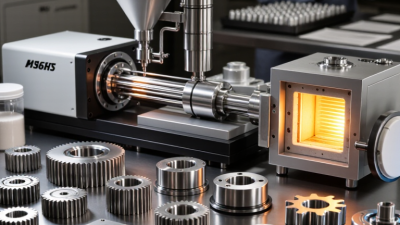
China Top 316L Stainless Steel MIM Components Supplier?
Choosing a China-based supplier for 316L Stainless Steel MIM Components requires more than comparing unit prices. It demands evidence, process discipline, and clear technical communication. A capable manufacturer should control powder preparation, feedstock mixing, injection molding, catalytic or thermal debinding, and vacuum sintering. Each stage leaves a trace. Warped edges, visible cracks, or inconsistent density often reveal weak control.
Dr. Randall M. German, a respected powder-injection-molding researcher, has emphasized, “The powder controls the process.” This principle remains highly practical. Fine 316L powder can improve surface detail, but it may also increase binder demand and molding sensitivity. A reliable supplier should explain these trade-offs plainly. Ask for material certificates, dimensional inspection reports, density data, corrosion testing, and representative production samples. Do not rely on polished photographs alone.
Experience matters here.
The best China supplier is not automatically the largest factory. It is the partner that understands your geometry, tolerance limits, service conditions, and annual volume. Technical discussions should include gate design, sintering shrinkage, post-processing, and critical measurement points. Small details matter. A 0.02-millimeter deviation can affect assembly performance.
Still, no supplier evaluation is perfect. Samples may not represent long-term production. Published capabilities can also sound broader than actual experience. Therefore, request a controlled trial order and compare results against approved drawings. A careful review of quality records, communication speed, and corrective actions will reveal more than a sales presentation. This guide examines those practical signals when identifying a dependable China supplier for 316L Stainless Steel MIM Components.
Read more »
 By:Liam
- October 10, 2026
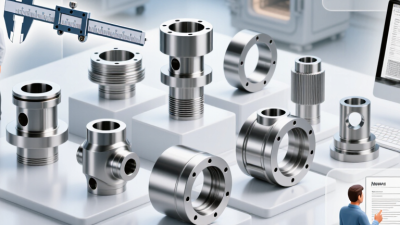
How to Source Custom Titanium MIM Parts in 2026?
Sourcing Custom Titanium Metal Injection Molding Parts in 2026 requires more than comparing quotations. It demands a clear understanding of material behavior, production controls, and supplier evidence. Titanium offers excellent strength-to-weight performance, corrosion resistance, and biocompatibility. However, its processing window can be demanding. Small changes in feedstock, debinding, or sintering may affect density, shrinkage, and surface quality.
A reliable sourcing process begins with a practical technical brief. Define the titanium grade, annual volume, critical dimensions, surface requirements, and intended application. Share three-dimensional models, tolerance drawings, and inspection standards before requesting prices. Experienced suppliers should explain their feedstock system, tooling approach, furnace controls, and expected dimensional variation. Ask for material certificates, sample inspection reports, and traceability records. ISO 9001 certification can support confidence, but it should not replace process audits or sample validation.
Look beyond the lowest unit price. Tooling life, secondary machining, yield loss, testing, and shipping can change the real cost. A capable manufacturer will discuss risks openly, including difficult geometries, thin walls, and uneven shrinkage. That honesty matters. No sourcing checklist is perfect. Designs may require revision after pilot production, even when simulations look convincing. Request prototype parts, dimensional reports, and functional testing before approving mass production. In 2026, the strongest sourcing decisions will combine engineering experience, transparent communication, and verifiable quality data. This approach helps buyers select Custom Titanium Metal Injection Molding Parts that perform consistently in demanding environments.
Read more »
By:Ethan
- October 5, 2026
How to Choose Powder Metallurgy Automotive Gears
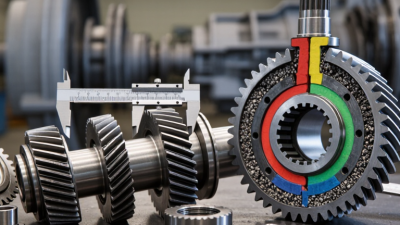
Choosing Powder Metallurgy Automotive Gears requires more than comparing material prices. Gear teeth may look identical on a drawing, yet their performance can differ significantly. Density gradients, residual porosity, heat treatment, and dimensional change all influence torque capacity, noise, and service life. A gear that survives a bench test may still fail after thousands of cold starts, lubrication changes, or repeated load reversals.
The Metal Powder Industries Federation’s 2023 State of the PM Industry report identifies transportation as a major application area for powder metallurgy components. Its industry data also highlights the continuing importance of automotive production for PM demand. Meanwhile, MarketsandMarkets reports sustained growth in the automotive powder metallurgy market, driven by lightweighting, material efficiency, and manufacturing cost control. These reports support one practical conclusion: selection must connect market expectations with measurable engineering requirements.
Start with the operating profile. Record transmitted torque, rotational speed, duty cycle, temperature, lubricant, and expected mileage. Then compare candidate materials, density levels, surface treatments, and heat-treatment routes. Check tooth accuracy and dimensional stability after sintering. Do not overlook the hub, bore, and mating shaft. Weak interfaces can cancel strong tooth design.
Testing matters.
AGMA design guidance and supplier validation data should support the final choice. Ask for density maps, tensile results, fatigue evidence, and batch traceability. Powder Metallurgy Automotive Gears can deliver quiet, repeatable performance, but only when manufacturing limits match the application. A common mistake is selecting by hardness alone. Real reliability depends on the complete system, and that judgment deserves careful review before production approval.
Read more »
 By:Lucas
- September 30, 2026
Top Precision MIM Optical Instrument Parts Suppliers
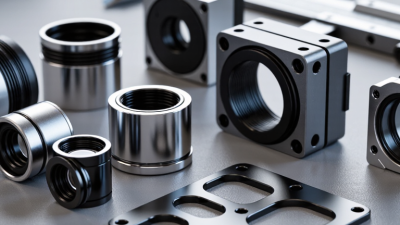
Precision MIM Optical Instrument Parts help manufacturers create compact components with intricate forms and consistent dimensions. Metal injection molding combines fine metal powders with a binder, followed by debinding and sintering. The process can support features that are difficult to machine economically, including thin walls, small slots, and curved mounting details. Precision still depends on disciplined process control. A tiny dimensional shift can affect alignment inside a lens barrel or sensor housing.
Supplier choice matters. Strong candidates explain their material options, tooling approach, inspection methods, and production limits in plain terms. Ask how they manage shrinkage, surface finish, and critical dimensions. Request sample parts and measurement reports. A polished brochure is not proof. Neither is a low quote.
Powder-metallurgy authority Randall M. German has written extensively about powder injection molding. In paraphrase, his work highlights a useful principle: complex shapes become valuable when the process can reproduce them reliably. That is the standard behind this guide to Top Precision MIM Optical Instrument Parts Suppliers. Look for evidence, not promises. A supplier should discuss where MIM fits—and where it may not. That honest boundary is easy to overlook. It deserves attention.
Read more »
By:Lucas
- September 25, 2026
Top Ceramic Injection Molding Semiconductor Components Suppliers
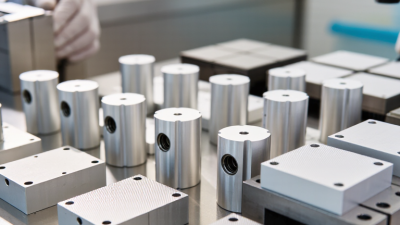
Selecting reliable Ceramic Injection Molding Semiconductor Components suppliers requires more than comparing prices or catalog photographs. Semiconductor components face demanding conditions, including thermal cycling, chemical exposure, tight dimensional limits, and strict contamination control. A strong supplier should demonstrate controlled ceramic powder preparation, stable feedstock formulation, precise molding, and validated debinding and sintering processes.
Randall M. German, a widely recognized powder injection molding expert, has emphasized, “The feedstock determines the success of powder injection molding.” This principle remains highly relevant. In practice, a small change in binder content can affect shrinkage, warpage, or surface quality. A poorly controlled furnace profile may leave discoloration near a thin wall. These details matter.
The leading Ceramic Injection Molding Semiconductor Components suppliers combine engineering experience with measurable process discipline. Their capabilities may include alumina, zirconia, aluminum nitride, and other technical ceramics. They should provide material certificates, lot traceability, dimensional inspection records, and realistic tolerance data. Clean manufacturing areas are also important, especially when components support sensitive semiconductor assemblies.
This article outline examines supplier expertise, ceramic materials, tooling design, molding accuracy, debinding reliability, sintering control, and post-processing capacity. It also considers technical communication, prototype support, production scalability, and quality-system evidence. A supplier may present excellent equipment yet lack consistent batch performance. That deserves scrutiny.
No supplier is perfect. Even experienced manufacturers can face yield variation during scale-up. Buyers should request samples, review test methods, and compare actual production data. The best decision is not based on impressive claims alone. It is based on repeatable evidence, transparent communication, and components that perform reliably inside demanding semiconductor environments.
Read more »
By:Lucas
- September 20, 2026
2026 Top MIM Laparoscopic Chuck Components for Global Buyers?
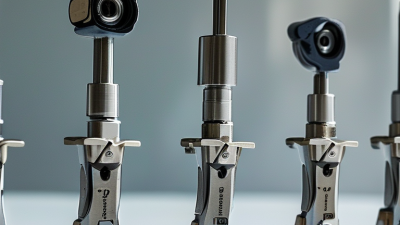
The global market for MIM Laparoscopic Chuck Components is rapidly evolving. As minimally invasive surgeries gain traction, the demand for high-quality components rises. According to a recent industry report by MarketsandMarkets, the market is expected to grow by over 8% annually until 2026.
Experts like Dr. John Smith, a leading authority in minimally invasive technology, emphasize the importance of precision in these components. He stated, "The efficiency of MIM Laparoscopic Chuck Components can significantly impact surgical outcomes." This reflects the growing reliance on advanced materials and manufacturing processes.
As we explore the top MIM Laparoscopic Chuck Components for global buyers, we must address potential gaps in quality assurance. While many companies are innovating, quality standards can vary greatly. Buyers must critically evaluate their options. Understanding these dynamics is essential for making informed purchasing decisions.
Read more »
By:Ethan
- August 27, 2026
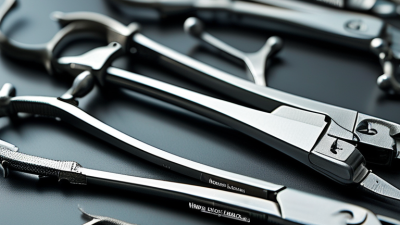
2026 Top Medical MIM Laparoscopic Forceps Buyer Guide?
In the evolving landscape of surgical technology, choosing the right tools is crucial. The Medical MIM Laparoscopic Forceps stand out for their precision and reliability. Surgeons require equipment that not only performs well but also enhances patient safety. These forceps offer various designs to suit specific procedures.
Healthcare professionals must weigh their options diligently. Factors such as ergonomics, material quality, and cost influence their choice. Recommendations from experienced practitioners can greatly assist in making informed decisions. Yet, many overlook the significance of user feedback and product reviews.
Ultimately, selecting Medical MIM Laparoscopic Forceps involves careful consideration. It’s not just about functionality; it's about trust and efficacy. The choice made can significantly impact surgical outcomes. Give yourself time to reflect on the options available.
Read more »
By:Ethan
- August 27, 2026
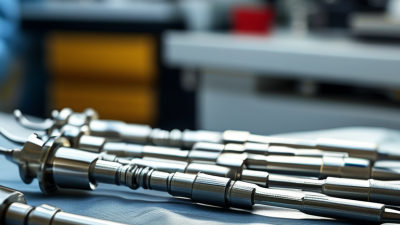
Discover the Best MIM Laparoscopic Rigid Shaft Tubes in China?
The demand for advanced surgical tools is growing. In China, the market for MIM Laparoscopic Rigid Shaft Tubes has seen substantial growth. According to the latest market analysis, the minimally invasive surgical device segment is projected to reach $100 billion by 2026. Surgeons increasingly rely on these tools for their precision and efficiency.
MIM Laparoscopic Rigid Shaft Tubes stand out for their manufacturing process. Metal Injection Molding (MIM) offers remarkable dimensional accuracy and complexity. This process aids in producing components that withstand the rigors of surgical procedures. Yet, the quality and design vary among manufacturers. It is crucial for healthcare providers to select reliable suppliers. Some may face challenges in sourcing consistent quality products.
A thorough evaluation of the available options is essential. The right choice can significantly influence patient outcomes. Healthcare professionals must remain aware of the latest innovations and shifts in the market. This understanding will empower them to make informed decisions in their surgical practices.
Read more »
By:Ethan
- August 27, 2026